
Sudan Climate Change: Causes and Impacts in 2025
 mahnoor
Sudan, a country known for its rich history and vibrant culture, faces a climate crisis that is both profound and heartbreaking. In recent years, the effects of climate change have intensified, worsening existing struggles and creating new challenges for the people of Sudan. This blog dives into the causes of climate change in Sudan, the country’s vulnerabilities, the impact of ongoing conflict, and the measures that can help alleviate these negative consequences. We’ll also explore the Sudanese American Physicians Association (SAPA) ‘s vital role in addressing these issues.
What Causes Climate Change in Sudan in 2024-2025?
Natural and human factors drive climate change in Sudan. Historically, Sudan has experienced fluctuating weather patterns, but recent decades have seen more dramatic changes. These include rising temperatures, unpredictable rainfall, and prolonged droughts.
Greenhouse Gas Emissions:
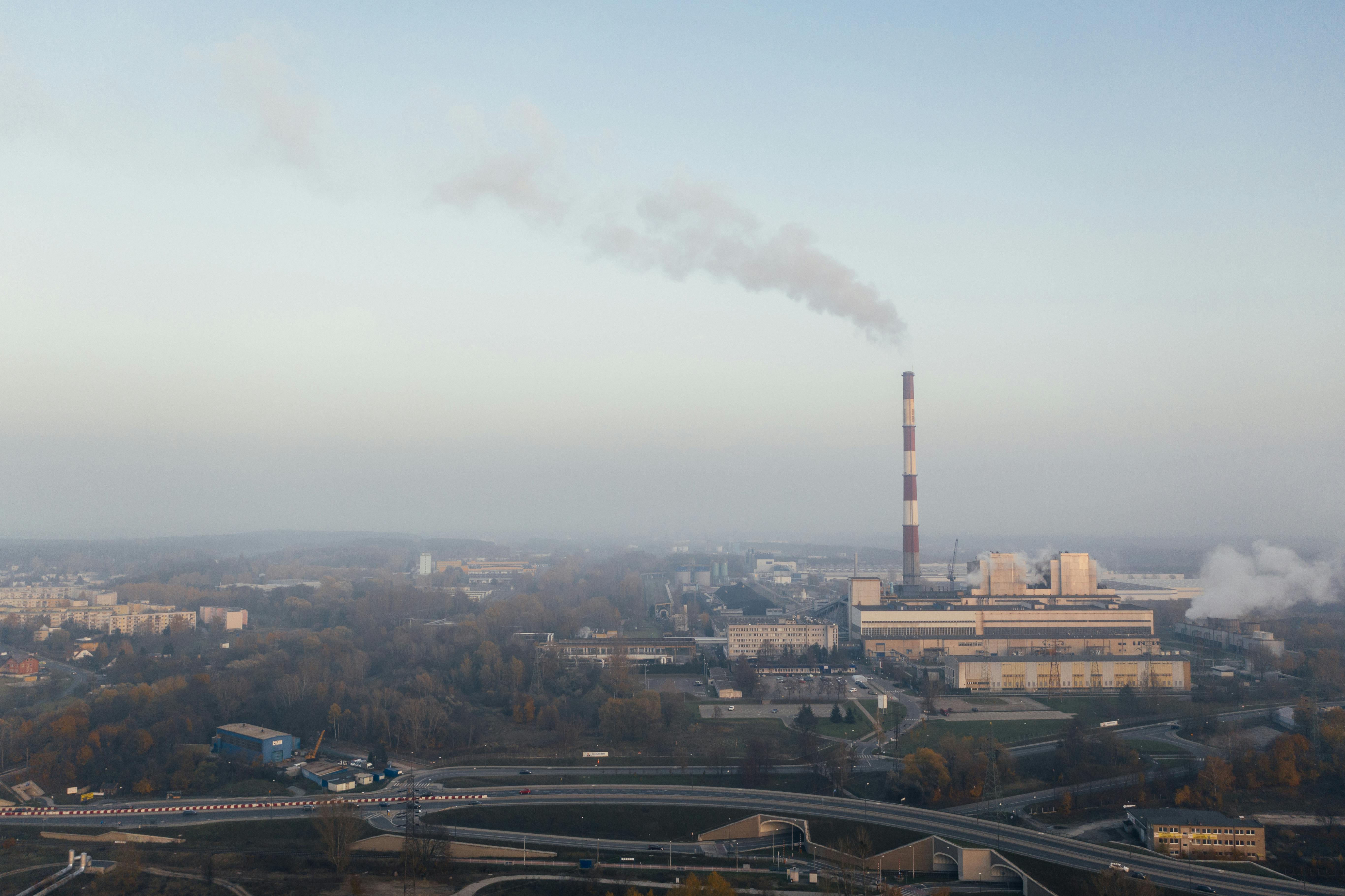
Like many countries, Sudan contributes to climate change through greenhouse gas emissions, primarily from agriculture and deforestation. Burning fossil fuels and industrial activities also play a role, though these sources are less significant in Sudan than in other countries.
Deforestation:
Deforestation is a significant issue in Sudan. Trees are cut down for firewood, agriculture, and construction, reducing the land’s ability to absorb carbon dioxide and exacerbating global warming.

Agricultural Practices:
Traditional agricultural practices, including unsustainable farming methods and livestock overgrazing, contribute to soil degradation and decreased land productivity. This makes it harder for the land to recover from droughts and extreme weather events.
Desertification:
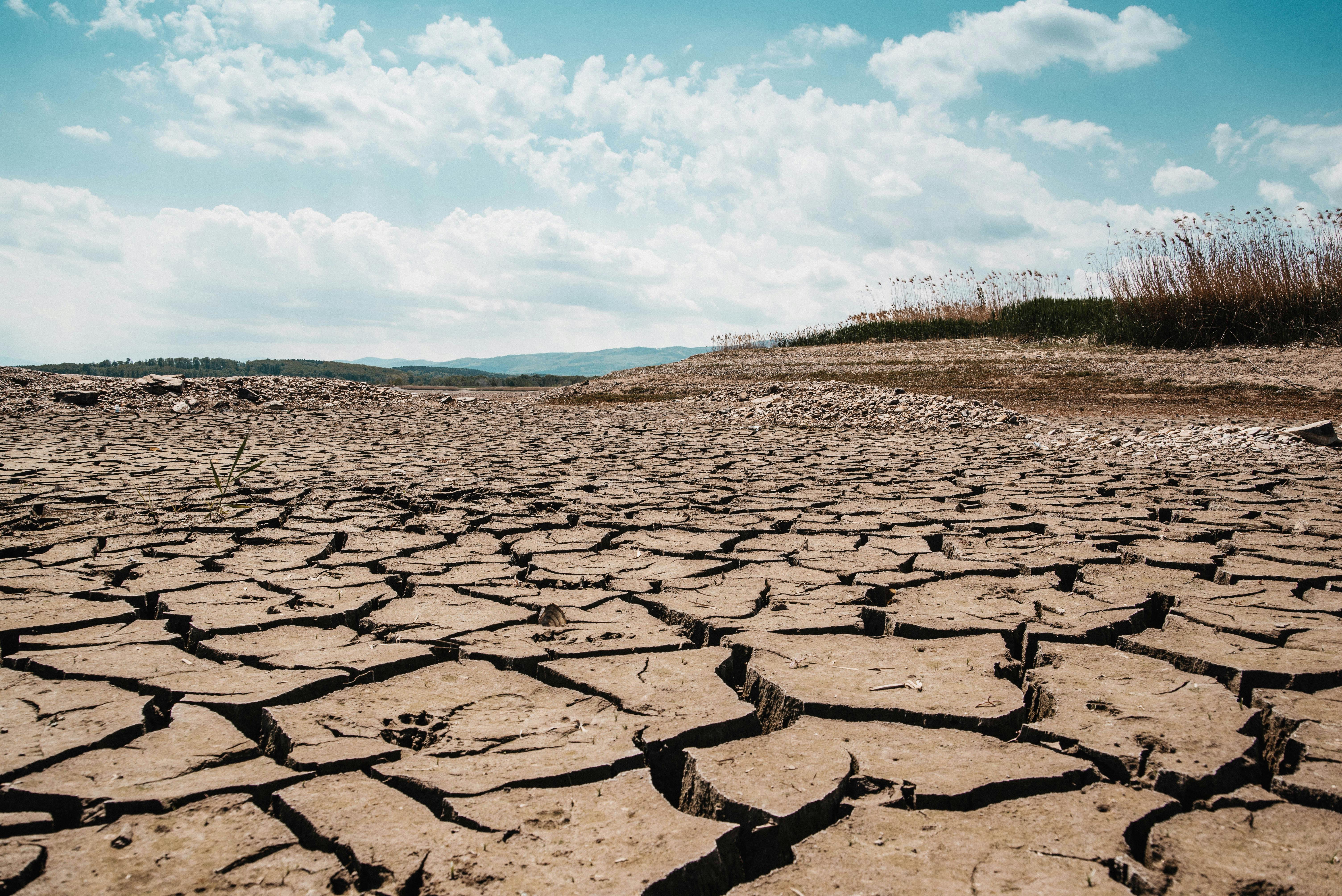
The encroachment of deserts into previously fertile areas is a visible sign of climate change. As deserts expand, they swallow arable land, reducing agricultural output and displacing communities.
>> Related Article: Food Crisis in Sudan Worsens: Critical Shortages Impact Millions
Sudan’s Climate Vulnerabilities
Its geographical and socio-economic factors shape Sudan’s vulnerability to climate change. The country’s vast arid and semi-arid regions are particularly susceptible to its impacts.
Geographical Factors:
Sudan’s location in the Sahel region, a transition zone between the Sahara Desert and the tropical savannas, makes it especially vulnerable to changes in rainfall patterns. The area experiences frequent droughts and irregular rainfalls exacerbated by climate change.
Economic Challenges:
Sudan is one of the poorest countries in the world. Its limited infrastructure, low levels of education, and inadequate health services mean it cannot respond effectively to and adapt to climate-related challenges.
Water Scarcity:
Sudan’s water resources are already limited. The Nile River, a crucial water source, faces increased pressure from population growth and climate change, leading to a water crisis in Sudan.
Agricultural Dependence:
A significant portion of Sudan’s population relies on agriculture for their livelihood. However, changing climate conditions make crop yields unpredictable, threatening food security and the economy.
Ongoing Conflict in Sudan and Its Impact on Climate
The ongoing conflict in Sudan, which has persisted for decades, exacerbates the effects of climate change. The country has experienced numerous internal conflicts, including the Darfur conflict and recent unrest in various regions. These conflicts have devastated the environment and people’s ability to respond to climate change.
War and conflict disrupt the country’s infrastructure and social systems, challenging the implementation of effective environmental policies or disaster response measures. In conflict zones, resources are often diverted from climate adaptation efforts to support immediate humanitarian needs. This situation leaves vulnerable communities without the support they need to manage the impacts of climate change.
Moreover, the destruction of infrastructure during conflicts often leads to environmental degradation. Damaged water management systems and deforested areas are expected outcomes of conflict, further intensifying the challenges of climate change.
>> Related Article: Sudan Civil: A Comprehensive Analysis
Effects of Sudan Climate Change: Local and Global
The effects of climate change in Sudan are both local and global in scope. Locally, the most visible impact is on agriculture. Changes in rainfall patterns and increasing temperatures reduce crop yields and cause food shortages. This not only affects the economy but also severely impacts the health and well-being of the population.
Water scarcity is another critical issue. As droughts become more frequent and intense, access to clean drinking water becomes increasingly limited. This has significant implications for public health, with more people suffering from waterborne diseases and malnutrition.
On a global scale, Sudan’s environmental changes contribute to broader climate patterns. Desertification and vegetation loss in Sudan can affect regional weather patterns, potentially influencing rainfall and temperatures in neighboring countries. The interconnectedness of global climate systems means that local environmental issues can have far-reaching effects.
>> Related Article: Top Sudanese charities to donate to
What Measures Can Be Taken to Alleviate the Negative Consequences?
Addressing the climate crisis in Sudan requires a multifaceted approach. Here are some crucial measures that can help mitigate the negative impacts:
1. Strengthening Environmental Policies:
Implementing and enforcing policies that promote sustainable land use and reduce deforestation is essential. Encouraging reforestation and afforestation projects can help restore degraded land and improve resilience to climate change.
2. Improving Water Management:
Investing in water-saving technologies and improving water management systems can help address the issue of water scarcity. This includes building infrastructure for rainwater harvesting and efficient irrigation practices.
3. Supporting Agricultural Adaptation:
Providing farmers access to climate-resilient crops and agricultural techniques can help them adapt to changing conditions. Training programs and financial support for adopting sustainable practices are also crucial.
4. Enhancing Disaster Response and Recovery:
Strengthening disaster response systems and ensuring that resources are available for communities affected by climate-related disasters can help reduce the impact of extreme weather events.
5. Promoting Peace and Stability:
Addressing the root causes of conflict and promoting peace is vital for creating an environment where climate adaptation efforts can be effectively implemented.
Role Played by SAPA in Sudan
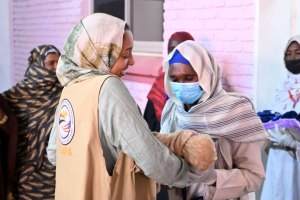
The Sudanese American Physicians Association (SAPA) plays a crucial role in supporting Sudanese communities in their fight against the impacts of climate change. SAPA’s efforts include responding to environmental disasters and assisting affected communities.
One notable example is SAPA’s response to the recent floods in Sudan. The organization has been delivering emergency relief to those impacted by the floods, including medical care and essential supplies. Our work addresses immediate needs and helps communities recover and rebuild.
SAPA’s commitment to addressing climate-related challenges extends beyond emergency response. The organization works to raise awareness about the impacts of climate change and advocate for policies that support environmental sustainability and community resilience.
>> Related Article: SAPA’s Flood Response in Sudan 2024
Conclusion
The climate crisis in Sudan is an important issue that affects the environment, economy, and people’s lives. Understanding the causes and impacts of climate change and the challenges posed by ongoing conflict is crucial for developing effective solutions. Addressing environmental degradation, improving water management, supporting agricultural adaptation, and promoting peace can reduce the negative consequences of climate change. SAPA’s efforts to generate online Sudan donations to provide relief and support to affected communities highlight the importance of collective action in the fight against climate change. As we move forward, we must continue working together to create a more resilient and sustainable future for Sudan and beyond.
FAQs: Sudan Climate Change – Causes and Impacts
1. What are the leading causes of climate change in Sudan?
Climate change in Sudan is primarily caused by global factors such as greenhouse gas emissions and local issues like deforestation, land degradation, and expanding agriculture in arid regions.
2. How does the ongoing conflict in Sudan affect climate change?
The ongoing conflict in Sudan disrupts infrastructure and social systems, making it challenging to implement environmental policies and disaster response measures. It also contributes to environmental degradation through the destruction of resources and infrastructure.
3. What are the most significant effects of climate change in Sudan?
The most significant effects include reduced crop yields, food and water shortages, and increased desertification. These impacts lead to economic hardships and health issues for the population.
4. What measures can be taken to address climate change in Sudan?
Key measures include strengthening environmental policies, improving water management, supporting agricultural adaptation, enhancing disaster response, and promoting peace and stability.
5. How does SAPA contribute to addressing climate change in Sudan?
SAPA provides emergency relief and support to communities affected by climate-related disasters, raises awareness about climate change impacts, and advocates for policies that support environmental sustainability and resilience.