
Ramadan Traditions of Sudan: Culture, Faith, and Community
 Waleed
Ramadan in Sudan has always been more than a sacred obligation. It is a deeply lived experience shaped by culture, collective memory, generosity, and an unbreakable sense of community. Across cities, villages, and now displacement camps, the holy month carries rhythms that bind people together, including shared meals, long evening prayers, acts of charity, and faith sustained even in the hardest of times.
Today, as Sudan faces one of the gravest humanitarian crises in its history, Ramadan traditions endure under extraordinary strain. Yet these traditions remain a powerful expression of resilience. Families continue to fast, share what little they have, and gather in spirit even when physical togetherness is fractured. Understanding Ramadan traditions of Sudan is not only about culture, it is about witnessing how faith becomes survival.
>> Related Post: Best Zakat Charities to Donate to in 2026
Ramadan Traditions of Sudan: Faith at the Center of Daily Life
In Sudan, Ramadan begins with a sense of quiet anticipation. The sighting of the moon is met with collective joy, prayers, and preparations that extend beyond individual households. Faith shapes the daily structure of life throughout the month, guiding both personal devotion and social responsibility.
One of the most defining aspects of the Sudanese Ramadan faith is its emphasis on collective worship. Religion is rarely practiced in isolation. Recitation of the Qur’an, evening supplications, and remembrance of Allah are often shared experiences, reinforcing bonds between neighbors and extended families.
Charity, or Sadaqah, is inseparable from faith during Ramadan in Sudan. Giving is not viewed as optional; it is a moral responsibility. Traditionally, families set aside portions of food for others, distribute meals to travelers and the poor, and contribute to communal kitchens. This spiritual ethic remains strong even as economic collapse and displacement make generosity far more difficult.
For many Sudanese today, faith has become both refuge and resistance. In refugee camps and conflict-affected areas, Ramadan prayers are acts of endurance. They remind people that dignity, belief, and hope cannot be taken away, even when homes, livelihoods, and loved ones are lost.

>> Related Post: Sadaqah in Ramadan: The Best Ways to Give and Make a Difference
Food, Iftar, and the Spirit of Sharing
Food holds deep symbolic meaning during Ramadan in Sudan. Iftar is not simply the breaking of a fast; it is an act of togetherness, hospitality, and social equality. Traditionally, no one should break their fast alone.
Sudanese iftar meals are simple yet nourishing, designed to restore strength after a long day of fasting. Staples often include dates, porridge-like dishes, lentils, bread, and lightly sweetened drinks. What matters most is not abundance but inclusion. Every plate placed before another person is considered an act of worship.
Suhoor, the pre-dawn meal, is also communal. Families wake together, eat quietly, and prepare spiritually for the day ahead. In some neighborhoods, people traditionally helped wake others for suhoor, reinforcing collective responsibility.
Today, conflict and displacement have transformed these food traditions. Many families no longer have kitchens, stable food supplies, or the ability to host others. Yet the intention remains. In displacement camps, families share rations, divide meals, and prioritize children and elders. Community kitchens, often supported by humanitarian organizations, have become lifelines that allow the spirit of iftar to survive even when resources are scarce.
In these settings, food is no longer just tradition; it is survival. Ensuring access to nutritious meals during Ramadan directly affects health outcomes, particularly for children, pregnant women, and the elderly.
>> Related Post: Best Ramadan Charities to Donate to in 2026
Community, Resilience, and Displacement
Community is the heart of Ramadan traditions in Sudan. The month strengthens social bonds, repairs relationships, and reinforces collective care. Even before the current crisis, Ramadan was a time when social divisions softened and mutual support intensified.
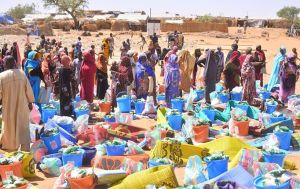
Under today’s conditions, community has taken on a new meaning. Millions of Sudanese are displaced internally or living as refugees. Entire neighborhoods have been replaced by camps, unfinished buildings, or temporary shelters. In displacement camps, community leaders and volunteers organize prayer spaces, shared meals, and small acts of celebration for children. These efforts help preserve a sense of normalcy and cultural continuity. For many, Ramadan becomes a reminder of who they were before displacement and who they still are despite it.
However, the strain is immense. Limited access to food, clean water, healthcare, and safe shelter means that observing Ramadan can become physically dangerous. Malnutrition, dehydration, and illness rise during fasting when support systems are absent. This is where humanitarian assistance becomes essential, not to replace tradition, but to protect life and dignity so traditions can continue safely.
>> Related Post: Top 10 Benefits of Fasting in Ramadan/Islam
Fastest & Securest Way to Pay RAMADAN Donations ONLINE👇
SAPA’s Contributions During Ramadan: Preserving Dignity Through Care
For organizations working in Sudan, Ramadan is a critical period. The Sudanese American Physicians Association (SAPA) recognizes that supporting Ramadan traditions is inseparable from protecting health, dignity, and community wellbeing.
Through its Ramadan initiatives, SAPA focuses on addressing the most urgent needs faced by displaced and conflict-affected families. This includes supporting food assistance programs that enable families to break their fast with nourishment rather than hunger. By helping sustain community kitchens and food distributions, SAPA helps preserve the core Sudanese value of shared iftar.
Healthcare access is another essential pillar of SAPA’s Ramadan response. Fasting can exacerbate existing health conditions, especially among children, pregnant women, the elderly, and those suffering from malnutrition. SAPA-supported medical services work to ensure that vulnerable individuals receive care, screenings, and treatment during the holy month.
Ramadan is also a time of increased charitable giving, including Zakat and Sadaqah. SAPA channels this generosity into evidence-based, lifesaving interventions, transforming spiritual intention into tangible impact. Through its Ramadan programs, SAPA helps families observe the month with dignity rather than distress.
FAQs
1. What makes Ramadan traditions in Sudan unique?
Sudan’s Ramadan traditions emphasize communal worship, shared meals, and open hospitality, ensuring no one breaks their fast alone.
2. How do Sudanese families traditionally break their fast?
Iftar is often shared with neighbors and strangers, featuring simple, nourishing foods served collectively.
3. Is charity important during Ramadan in Sudan?
Yes. Charity is central, with families prioritizing giving food and support to those in need.
4. How has conflict affected Ramadan traditions in Sudan?
Displacement and food shortages have limited traditional gatherings, but faith and sharing continue in adapted forms.
5. Do displaced families still observe Ramadan?
Yes. Despite hardship, displaced families fast, pray, and share meals whenever possible.
6. What role does community play during Ramadan in Sudan?
Community support is essential, helping families survive spiritually and materially throughout the month.
7. How does fasting impact health during Ramadan in crisis settings?
Without proper nutrition and healthcare, fasting can increase risks of malnutrition and illness.
8. How does SAPA support families during Ramadan?
SAPA provides food assistance, healthcare services, and critical support to vulnerable populations.
9. Can Zakat and Sadaqah support Ramadan aid in Sudan?
Yes. Donations help fund lifesaving programs that protect dignity during the holy month.
10. How can I help preserve Ramadan traditions in Sudan?
By supporting trusted humanitarian organizations like SAPA and contributing to their Ramadan initiatives.