Sudan Water Pollution
 mahnoor
Water is life. Yet, for millions in Sudan, this lifeline is tainted with pollutants that turn it into a source of disease and despair. Sudan faces one of the most severe water crises in the world, where families must make heartbreaking choices between thirst and illness. Polluted water is robbing children of their futures, tearing apart communities, and making survival an uphill battle. This water crisis is a clear call for urgent intervention, and together, we can bring hope to those who need it most.
>> Related Post: Sudan Flooding 2024: Latest Updates on the Flood in Sudan
Understanding Sudan Water Pollution
Water pollution refers to contaminating water bodies, such as rivers, lakes, and groundwater, with harmful substances. These pollutants—from industrial waste to microorganisms—render water unsafe for drinking, cooking, and other essential uses.
In Sudan, water pollution is deeply intertwined with the country’s fragile infrastructure and environmental challenges. Communities often depend on stagnant water sources, where pollutants accumulate, leaving families vulnerable to life-threatening illnesses. The absence of proper waste disposal systems exacerbates this issue, creating a hard-to-break cycle of contamination and sickness.
Causes of Sudan Water Pollution
Sudan’s water pollution crisis is rooted in human activities and natural challenges. Understanding these causes is crucial to finding solutions:
Industrial Waste
Factories near urban centers release untreated waste directly into rivers and streams. These pollutants, including heavy metals and chemicals, poison water supplies and destroy aquatic ecosystems.
Agricultural Runoff
Fertilizers and pesticides used in farming seep into nearby water sources. While intended to boost crop yields, these chemicals contaminate drinking water and harm wildlife.
>> Related Post: Effects of Child Hunger
Poor Waste Management
In many towns and villages, waste collection systems still need improvement. Garbage and human waste end up in open water sources, spreading bacteria and toxins that endanger human and animal health.
Climate Change
Sudan is one of the countries most vulnerable to climate change. Rising temperatures and prolonged droughts intensify water scarcity, forcing communities to rely on polluted sources.
>> Related Post: What Causes Climate Change in Sudan
How Does Water Pollution Affect Sudan?
BBC notes, “In Sudan, water is not just a necessity—it’s a battle for survival.” This crisis strikes at the very core of human dignity. The impact of water pollution in Sudan is devastating and multifaceted. Its consequences touch every aspect of life, with the most vulnerable bearing the heaviest burden:
-
Health Impacts:
Polluted water is a breeding ground for cholera, dysentery, and typhoid diseases. Children and elderly individuals are particularly at risk, with many unable to access life-saving medical care.
-
Economic Consequences:
Contaminated water sources destroy agriculture, leaving farmers without crops or food to sell. Livestock, too, suffer from the effects of polluted water, further destabilizing rural economies.
-
Educational Disruption:
Children, especially girls, often leave school to fetch water from distant sources. When they fall ill due to waterborne diseases, their education suffers, perpetuating cycles of poverty.
>> Related Post: Countries with the Highest Poverty Rate in the World
-
Environmental Degradation:
Pollution damages ecosystems, harming fish, plants, and wildlife. Once vibrant rivers and lakes are now lifeless, their resources depleted.
SAPA’s Efforts to Address Sudan Water Pollution
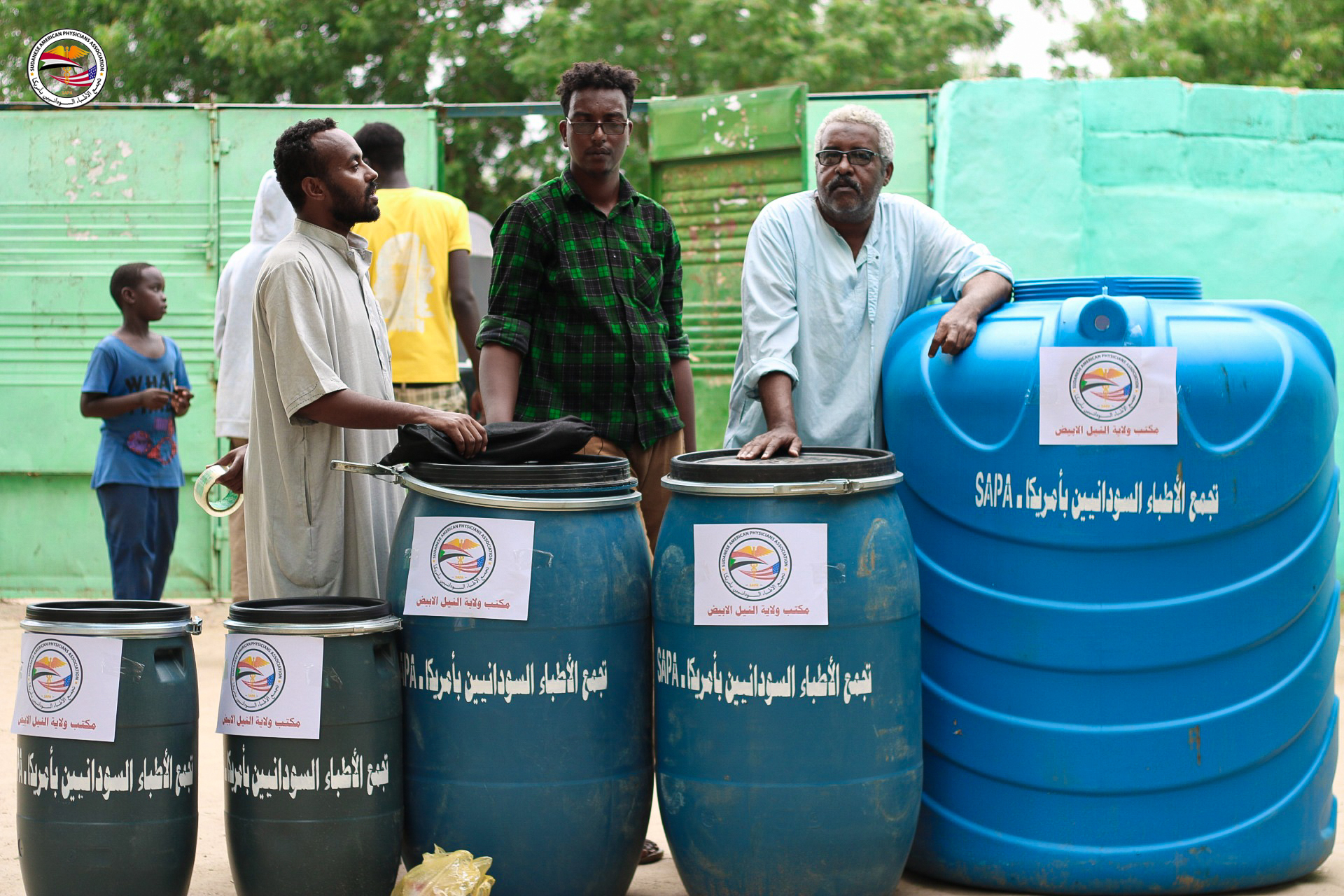
The Sudanese American Physicians Association (SAPA) has taken monumental steps to combat water pollution and its devastating effects. Their mission is to provide clean water and restore hope and health to communities. A SAPA spokesperson shared: “Every well we install is a step toward a healthier, stronger Sudan. Clean water transforms lives in ways we can’t even measure.”
Key SAPA Initiatives
SAPA’s work is driven by a belief that clean water is a fundamental human right. Their comprehensive approach includes:
- Water Purification Systems
- Deploying portable purification systems in areas where water is heavily contaminated.
- Training locals to maintain these systems for long-term sustainability.
- Health Awareness Campaigns
- Educating communities about hygiene practices to reduce waterborne diseases.
- Providing workshops on the dangers of polluted water and safe handling practices.
- Safe Toilet Facilities
- Collaboration with local communities in war-torn regions of Sudan to construct safe and accessible toilet facilities.
- Enhancing sanitation in densely populated areas mitigates the risks of open defecation, and improves public health, safety, and privacy.
>> Related Post: Best Sudanese Charities to Donate to
What You Can Do to Help Combat Sudan Water Pollution
The fight against water pollution in Sudan requires a global effort. Here’s how you can contribute:
Donate to SAPA
Your financial support can fund projects like good construction, water purification systems, and educational campaigns. Even a small donation can create ripples of change.
Raise Awareness
Talk about Sudan’s water crisis in your community and on social media. Sharing stories and information can inspire others to join the cause.
Advocate for Policy Changes
Urge local and international leaders to invest in Sudan’s water infrastructure. Policies that regulate industrial waste and promote sustainable farming are critical.
>> Related Post: Water Crisis in Sudan
Conclusion
Water pollution in Sudan is a silent killer, claiming lives and livelihoods while perpetuating cycles of poverty. But there is hope. We can turn the tide through the efforts of organizations like SAPA and the collective action of people worldwide. This is not just Sudan’s fight—it is a global responsibility. Every drop of clean water brings life, dignity, and hope to those who need it most. Your voice, actions, and support can make an incredible difference.
FAQs: Sudan Water Pollution
What is the main cause of water pollution in Sudan?
The primary causes include industrial waste, agricultural runoff, poor waste management, and climate change, which exacerbate water scarcity.
Why is clean water important in Sudan?
Clean water is essential for preventing diseases, supporting agriculture, and ensuring the overall well-being of communities.
How can I contribute to solving Sudan’s water crisis?
You can donate, raise awareness, advocate for policy changes, etc.
What is the long-term solution to water pollution in Sudan?
The solution lies in improved infrastructure, community education, and global partnerships to promote sustainable water management.