UN Security Council Reviews Possible Measures for Sudan Conflict
 mahnoor
In April 2023, a power struggle between the Sudanese Armed Forces (SAF) and the Rapid Support Forces (RSF) erupted into a full-blown war. Nearly two years later, the consequences are heart-wrenching: mass displacement, famine, and untold suffering. Families are torn apart, children go to bed hungry, and communities are ravaged. As the conflict rages on, the United Nations and humanitarian organizations like the Sudanese American Physicians Association (SAPA) are working tirelessly to address the mounting crisis. But the challenges are overwhelming, and the world must not turn away from Sudan’s plight.
What is Happening in Sudan?
The crisis in Sudan began as a political struggle between two factions fighting for control. What was meant to be a peaceful transition to civilian rule has instead spiraled into violence that has engulfed the entire country. The SAF and RSF have turned Sudan into a battlefield, with civilians caught in the crossfire.
The violence has taken on an alarming dimension, with ethnically motivated attacks leading to massacres, sexual violence, and destruction of entire communities. According to the UN, 25 million people—nearly half of Sudan’s population—now require urgent humanitarian aid. Over 11 million people have been displaced, forced to flee their homes in search of safety. These numbers are staggering, but behind them are real lives: mothers, fathers, children, and elders who have lost everything.
Related Post: Sudan Civil War Root Causes
Why is the UN Intervening in Sudan?
The UN’s involvement in Sudan stems from a moral and humanitarian obligation to protect those in danger. Sudan’s crisis has escalated into the world’s largest displacement crisis, with famine and insecurity threatening millions. The UN cannot stand by while these atrocities unfold.
Key reasons for the UN’s intervention include:
- Humanitarian Crisis: The scale of suffering is immense. Families in displacement camps face starvation, and disease outbreaks are a constant threat due to poor living conditions.
- Human Rights Violations: Reports of widespread rape, killings, and abuses against civilians are a grim reminder of the war’s human toll.
- International Stability: The crisis has also destabilized neighboring countries, as millions of refugees have sought asylum across borders.
>> Related Post: Water Crisis in Sudan
UN Security Council’s Review of Its Measures in Sudan
The United Nations Security Council has been at the forefront of international efforts to address Sudan’s crisis. Over the past year, several resolutions have been passed to halter violence and ensure aid delivery. Yet the warring parties remain defiant, prioritizing power over the lives of Sudan’s people.
A new draft resolution introduced by Britain seeks to compel the SAF and RSF to halt their offensives and facilitate humanitarian access. Some of the critical aspects under discussion include:
- Ceasefire: Both sides must immediately cease hostilities. Continued fighting only deepens the suffering of civilians.
- Humanitarian Access: Aid must flow freely across frontlines and borders, mainly through crossings like Adre, which connect Sudan with Chad.
- Accountability: Sanctions against individuals responsible for atrocities, including RSF generals, aim to send a clear message that violations of human rights will not go unpunished.
Despite these efforts, the Security Council faces significant challenges, including political differences among its members. For the people of Sudan, these deliberations represent hope and frustration, as each day without action costs more lives.
>> Related Post: Human Rights in Sudan: Background, Violations & Challenges
Aid Across Borders
Humanitarian aid is a lifeline for Sudan’s displaced and starving population. Yet, delivering this aid is fraught with challenges. Bureaucratic obstacles, security risks, and limited resources make it difficult to reach those in need.
One of the most critical lifelines is the Adre border crossing with Chad, which facilitates aid deliveries to Darfur. However, this route is constantly threatened with closure due to ongoing conflict and political instability. The UN and aid organizations are urging authorities to keep this and other routes open to ensure that food, water, and medical supplies can reach those who need them most.
The need for cross-border aid has never been more urgent. Millions of Sudanese can avoid an uncertain and scary future with sustained international support.
>> Related Post: Best Ways to Donate to Sudan in 2025
Role Played by SAPA in Sudan
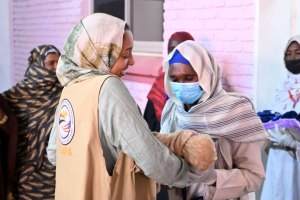
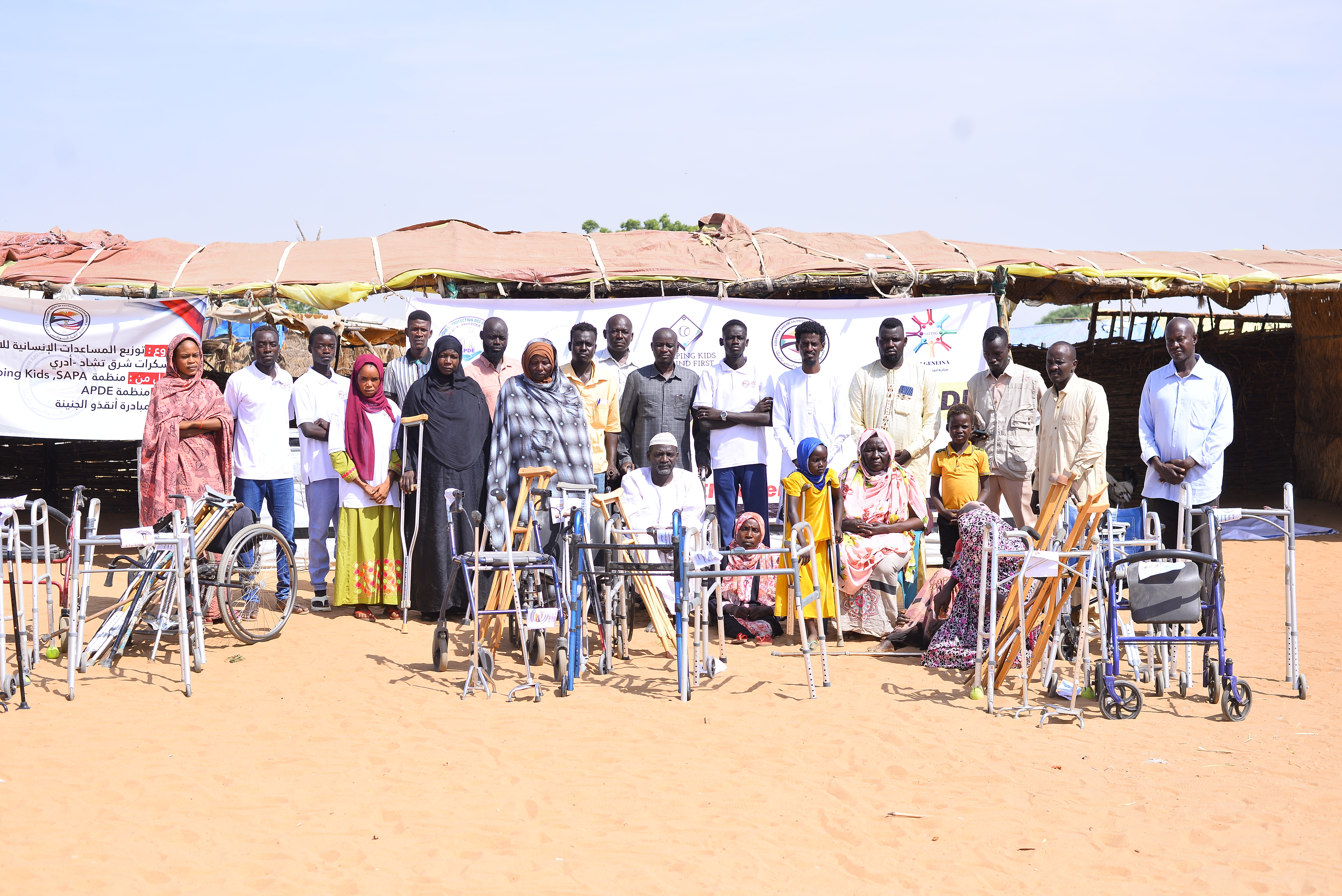
While international organizations provide large-scale relief, grassroots efforts led by SAPA offer a lifeline for individuals and families caught in the crisis. SAPA’s work in Sudan exemplifies compassion and commitment in adversity.
- Healthcare Services: SAPA has set up emergency medical camps, providing life-saving treatments and surgeries for those injured in the conflict. Their mobile clinics reach remote areas where hospitals have been destroyed or are inaccessible.
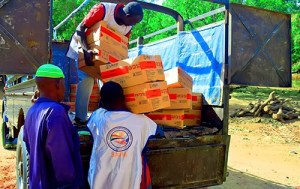
- Food Relief Programs: Hunger is one of Sudan’s greatest challenges. SAPA’s food relief programs deliver essential supplies to struggling families, including grains, cooking oil, and nutritional supplements.
- Water, Sanitation, and Hygiene (WASH): SAPA works to provide clean water and sanitation facilities, which are crucial in preventing outbreaks of cholera and other diseases in overcrowded camps.
>> Related Post: Best Non-profit Organizations in Sudan
Conclusion
Sudan’s crisis is a test of the world’s collective conscience. The stories emerging from the conflict are heartbreaking: parents burying their children, families separated by violence, and communities destroyed. Yet, amid this suffering, there is hope.
The UN’s efforts, while imperfect, signal an international commitment to peace. SAPA’s tireless work offers a tangible reminder that compassion can move mountains. But the road ahead is long, and Sudan cannot walk it alone. The global community must step up, providing not just aid but also pressure on warring factions to end this senseless conflict.
FAQs: UN Considers Actions on Sudan War
1. What sparked the conflict in Sudan?
The conflict began in April 2023 as a power struggle between the Sudanese Armed Forces and the Rapid Support Forces, leading to widespread violence and displacement.
2. How many people have been affected by the conflict?
Nearly 25 million people need humanitarian aid, with over 11 million displaced.
3. What is the UN Security Council doing to address the crisis?
The Council is reviewing resolutions to enforce a ceasefire, facilitate humanitarian aid, and hold perpetrators of violence accountable.
4. How does SAPA support Sudan?
SAPA provides healthcare, hunger relief, clean water, and emergency supplies to those affected by the conflict.
5. How can I help Sudan?
You can support organizations like SAPA through donations or by spreading awareness about the crisis. Every contribution makes a difference.
6. Why is humanitarian aid so important in Sudan?
With famine, displacement, and disease rampant, aid provides essential food, water, and medical supplies to those who would otherwise have no means of survival.