
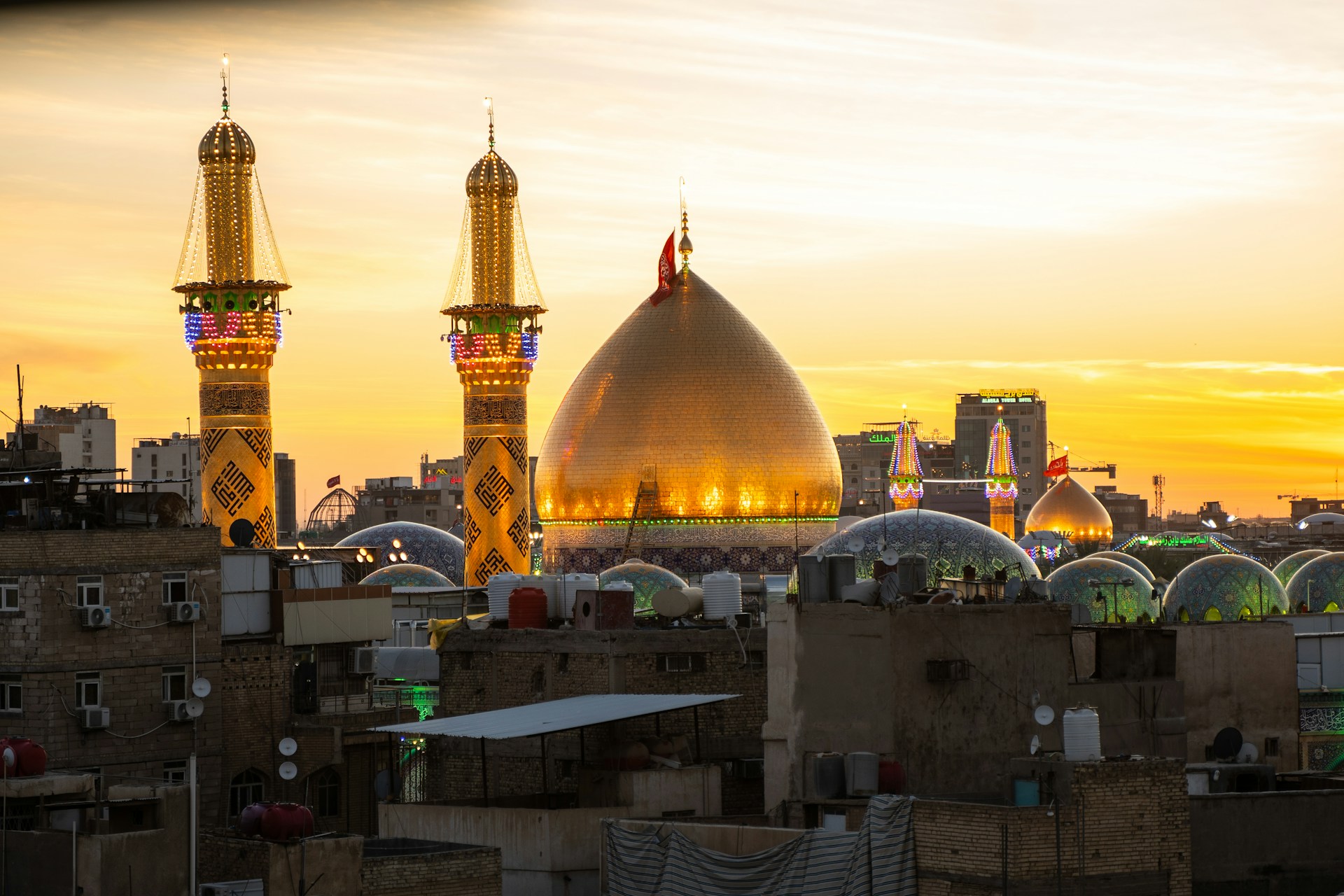
5 Interesting Virtues/Facts About the Day of Ashura (10th Muharram)
 Waleed
What makes the Day of Ashura, the 10th of Muharram, so extraordinary in Islam? This sacred day is steeped in history, spirituality, and unique virtues that inspire Muslims worldwide to deepen their devotion and generosity.
Ashura, observed on the 10th of Muharram, holds a special place in the Islamic calendar, offering opportunities for worship, reflection. In this blog, we explore five compelling virtues and facts about Ashura, highlighting its significance and how SAPA’s charitable programs in Sudan with this sacred occasion’s call to compassion.
What is the Day of Ashura?
There are certain days in the year which are more virtuous than others, one such day is the 10th of Muharram, known as the Day of Ashura, falling in the first month of the Islamic lunar calendar. The word “Ashura” derives from “Asharah,” meaning “ten” in Arabic, signifying its place as the tenth day of Muharram.
Ashura commemorates significant historical events, including the deliverance of Prophet Musa (AS) and the Israelites from Pharaoh’s tyranny, when Allah parted the Red Sea.
Prophet Muhammad (PBUH) observed Jewish communities fasting on this day and encouraged Muslims to fast, saying,
“We are closer to Musa than you are” (Sahih Bukhari 3397)
He recommended fasting on the 9th and 10th or 10th and 11th to distinguish Muslim practice.
For Muslims, Ashura also marks the martyrdom of Imam Husayn (AS), the Prophet’s grandson, at the Battle of Karbala in 680 CE, a solemn event symbolizing sacrifice and justice. Both Sunni and Shia Muslims honor Ashura’s sanctity, making it a day of unity and reflection.
>> Related Post: Fasting on Ashura: History, Significance & Benefits
5 Interesting Virtues of the Day of Ashura:
1. Expiation of Sins for the Past Year
One of Ashura’s most remarkable virtues is its promise of forgiveness. The Prophet Muhammad (PBUH) said,
“Fasting on the Day of Ashura, I hope, will expiate the sins of the previous year” (Sahih Muslim, Book 6, Hadith 2603).
This spiritual cleansing makes fasting on the 10th of Muharram a cherished opportunity for Muslims seeking renewal. By fasting on the 9th of the 10th or 10th and 11th, as recommended, you maximize this blessing, purifying your heart and strengthening your resolve.
2. Commemoration of Prophet Musa’s Deliverance
Ashura marks the day Allah saved Prophet Musa (Moses) and the Israelites from Pharaoh’s oppression by parting the Red Sea (Sahih Bukhari). Jewish communities fasted on this day in gratitude, and the Prophet Muhammad (peace be upon him) adopted this practice, encouraging Muslims to honor Allah’s mercy.
This historical event underscores Ashura’s theme of divine intervention and gratitude, inspiring Muslims to reflect on Allah’s power and compassion. By fasting on Ashura, you connect to this sacred history.
3. A Sunnah of Gratitude and Distinction
The Prophet Muhammad (peace be upon him) not only fasted during Ashura but urged Muslims to fast on the 9th and 10th or 10th and 11th of Muharram to distinguish their practice from others.
This Sunnah reflects gratitude for divine blessings and a commitment to Islamic identity. Fasting on Ashura is a simple yet profound act of worship, offering multiplied rewards during Muharram’s sacred month. Following this Sunnah deepens your faith and connects you to the Prophet’s legacy.
4. A Day of Unity and Community Reflection
Ashura unites Muslims across the world, regardless of sect, in worship and reflection. It commemorates the martyrdom of Imam Husayn (AS) at Karbala, symbolizing sacrifice and justice. This shared reverence for Ashura fosters solidarity within the Ummah, encouraging collective acts of devotion and charity.
5. Inspiration for Generosity and Compassion
Ashura’s virtues extend beyond fasting to inspire acts of charity and compassion. Emphasis on giving aligns with Ashura’s themes of gratitude and empathy, urging Muslims to support those in need.
>> Related Post: Benefits of Fasting in Islam
How to Observe the Day of Ashura
To fully embrace Ashura’s virtues, consider these practices:
1. Fast with Intention:
Fast on the 9th and 10th or 10th and 11th of Muharram, setting a sincere Niyyah for Allah’s pleasure.
2. Increase Worship:
Engage in extra prayers, Quran recitation, and Dua to deepen your connection with Allah.
3. Give Generously:
Follow the Sunnah by donating to SAPA or feeding the needy, extending Ashura’s blessings.
4. Reflect on History:
Meditate on Prophet Musa’s deliverance & Imam Husayn’s (AS) sacrifice to inspire gratitude and justice.
5. Community Engagement:
Break your fast with family or community, fostering unity and empathy.
>> Related Post: Best charities to donate to for tax deduction
Conclusion
The Day of Ashura, the 10th of Muharram, is a treasure trove of virtues, from expiating sins to inspiring compassion. Its historical significance, rooted in Prophet Musa’s deliverance, and its spiritual rewards, promised by the Prophet (peace be upon him), make it a pivotal moment for worship. Ashura’s call to unity and generosity resonates today, especially in Sudan, where SAPA’s programs bring hope to the vulnerable.
This Muharram embraces Ashura’s virtues by fasting, reflecting, and giving. Donate to SAPA and let Ashura be a day of faith and impact.
FAQs
1. Why is Ashura considered one of the most sacred days?
Ashura’s sanctity stems from its historical and spiritual significance, including Prophet Musa’s deliverance and the promise of expiating sins through fasting. Its emphasis on worship and charity makes it a blessed day.
2. Can non-Muslims participate in Ashura activities?
Non-Muslims can support Ashura’s spirit by donating to humanitarian causes like SAPA’s programs or learning about its significance. While fasting is specific to Muslims, charitable acts benefit all communities in Sudan.
3. How does fasting on Ashura benefit mental health?
Fasting on Ashura fosters mindfulness, gratitude, and empathy, reducing stress and enhancing emotional resilience. Reflecting on Ashura’s lessons promotes mental clarity, aligning with SAPA’s Psychosocial Support program.
4. What is the significance of Imam Husayn’s martyrdom on Ashura?
For Muslims, Ashura commemorates Imam Husayn’s (AS) martyrdom at Karbala, symbolizing resistance against oppression. This event inspires justice and sacrifice, uniting Muslims in reflection.



Comment (1)
top linkbuilding agenturen
Very well presented. Every quote was awesome and thanks for sharing the content. Keep sharing and keep motivating others.