Water Well Sadaqah Jariyah: A Lifesaving Charity
 sapa
sapaIn Islam, charity is not merely an obligation but a virtuous act that holds immense rewards, both in this life and the hereafter. Among the various forms of charity, water well Sadaqah Jariyah stands out as a means to perpetually earn blessings through ongoing charitable acts.
Understanding Sadaqah Jariyah
Sadaqah Jariyah encompasses charitable actions that continue to yield rewards beyond the initial act. The concept is rooted in the teachings of Prophet Muhammad (PBUH), who emphasized the perpetual benefits of specific acts of charity. Examples of Sadaqah Jariyah include donating a wheelchair, gifting a Qur’an, raising pious children, or, significantly, building a water well.
The Prophet (PBUH) highlighted the lasting impact of Sadaqah Jariyah, stating: “When a man dies, his deeds come to an end except for three things: Sadaqah Jariyah; a knowledge which is beneficial, or a virtuous descendant who prays for him (for the deceased).” (Muslim)
Water Well Charity: A Noble Cause
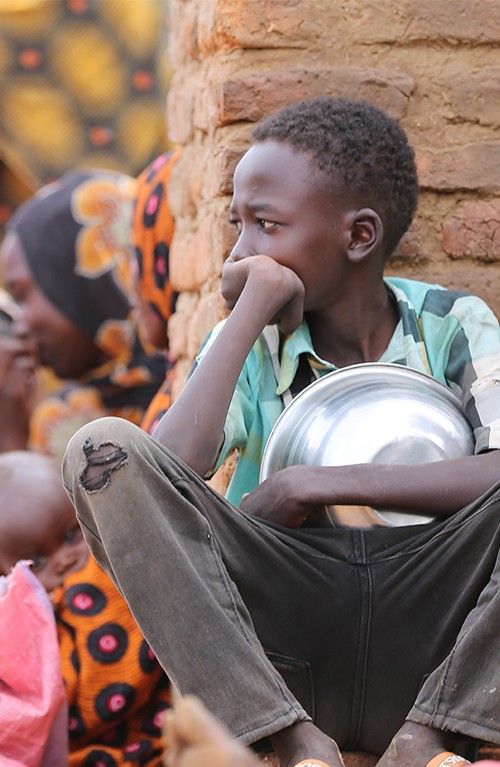
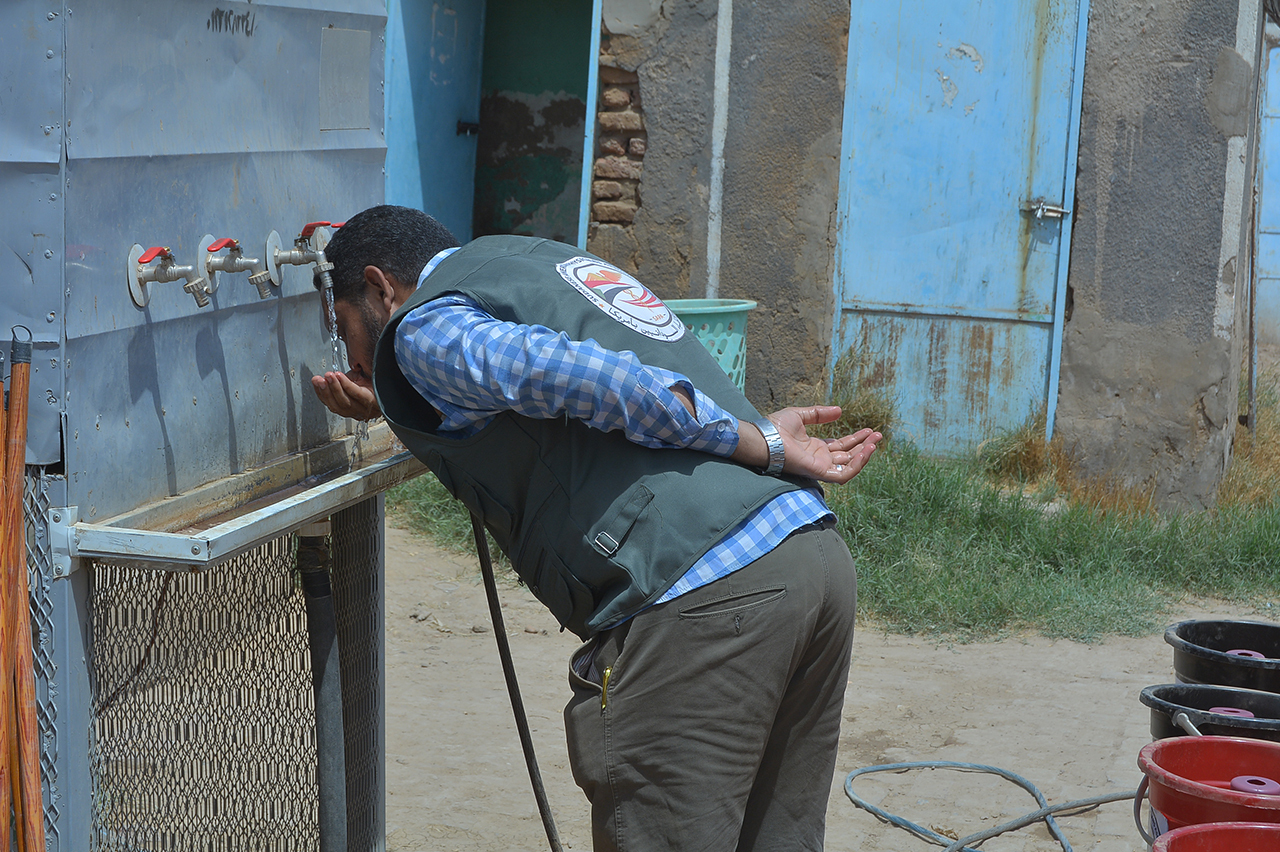
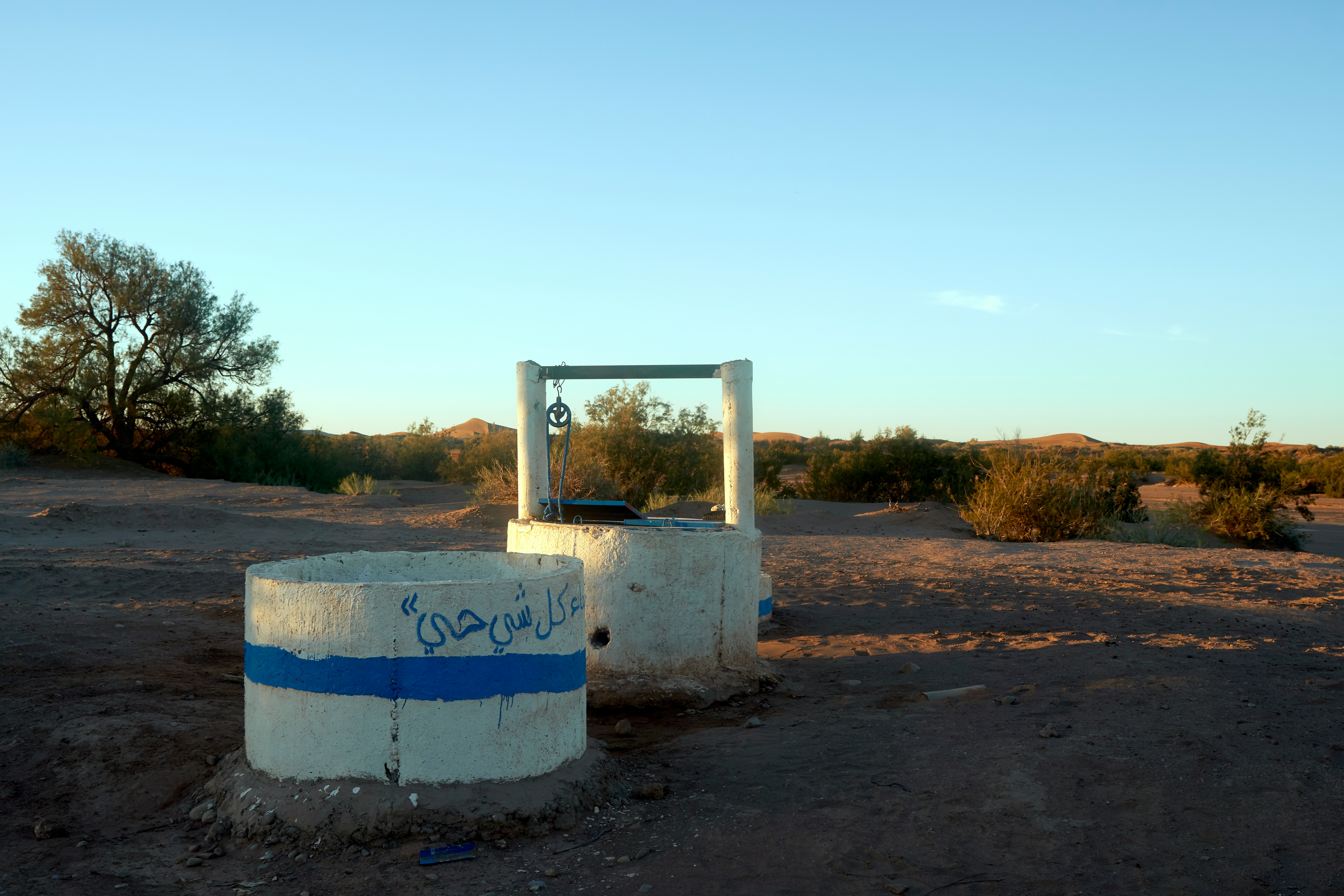
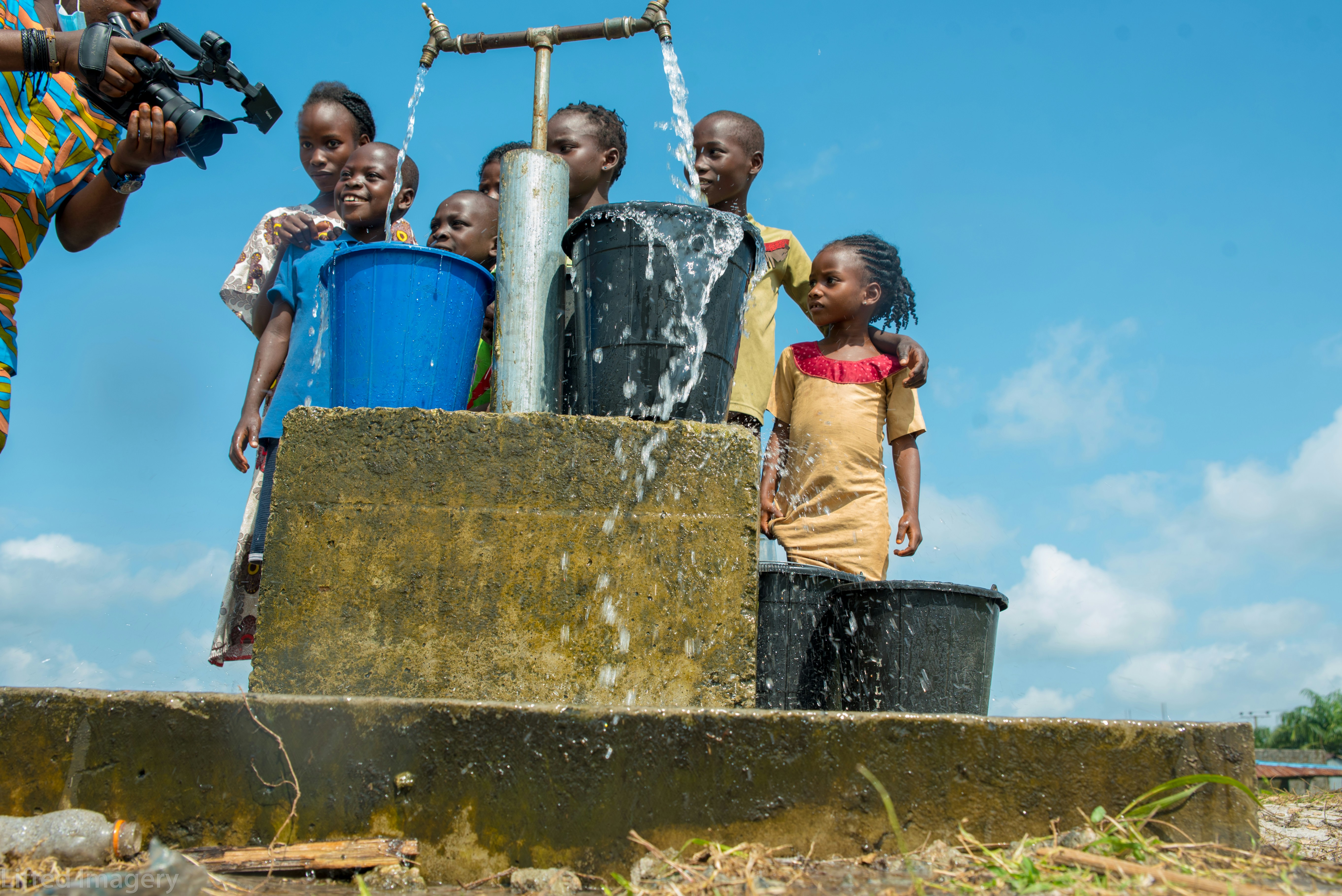
Access to clean water is a fundamental human right, and unfortunately, millions around the world lack this basic necessity. Building a water well emerges as a powerful form of Sadaqah Jariyah, providing ongoing benefits to communities in need. The urgency of this charity is accentuated in regions like Sudan due to the Sudan Crisis and Sudan War, where individuals, especially children, are grappling with the consequences of drinking contaminated water.
Every two minutes, a child succumbs to water-related diseases, a stark reality that demands immediate attention. By contributing to water well charities, individuals can alleviate suffering, demonstrating the unity and compassion emphasized in the saying: “The believers are like one body in their mutual love and affection: if one limb is injured, the rest responds with sleeplessness and fever.”
The Impact of Building Water Wells
Saving Lives
Unsafe water is a significant threat, with nearly 1 million people annually dying from water-related diseases. Children, in particular, are vulnerable to cholera and diarrheal illnesses due to compromised immune systems, especially in areas like Sudan with the South Sudan Water Crisis.
The gift of water, as mentioned in the Qur’an, is equated with saving all of mankind (Qur’an, 5:32), underlining the tremendous reward associated with providing clean water.
The Best Form of Charity
The Prophet (saw) stated, “Which charity is best?” He replied, “[Providing] water” (Abu Dawud). Water, essential for various aspects of life, becomes a means of sustenance and empowerment for communities.
Give How Much as You Can
Even small contributions matter, and sincerity in intention is the basis of reward. Donating to a Water Fund, regardless of the amount, accumulates towards building wells or other water projects, benefiting thousands.
Forgiveness for Sins
A powerful hadith narrates the forgiveness granted to a prostitute for giving water to a thirsty dog. Building a well not only aids communities but also benefits livestock, potentially leading to forgiveness for the donor’s sins.
Building a Well to Donate in Someone Else’s Name
Ramadan is a time for remembering loved ones. The Prophet (saw) recommended water as the best charity in someone’s name. Every time someone benefits from the well, both the donor and the named individual receive rewards.
The Ultimate Sadaqah Jariyah
A water well initiates a chain reaction, leading to healthy communities, improved education, livelihoods, and sustainable agriculture. It is the epitome of Sadaqah Jariyah, offering perpetual rewards.
Benefits of Water Well Charity
Community Empowerment
Beyond immediate health benefits, water wells empower communities by promoting self-sufficiency. Families can focus on education and livelihoods rather than spending hours fetching water.
Environmental Impact
Water wells contribute to environmental sustainability by reducing reliance on contaminated water sources. This, in turn, protects ecosystems and promotes a healthier environment for all living beings.
Educational Opportunities
Access to clean water allows children, especially girls, to attend school regularly. Improved education creates a ripple effect, uplifting entire communities out of poverty and ignorance.
Economic Growth
Reliable access to water enhances agricultural practices, fostering economic growth. Communities can engage in sustainable farming, ensuring food security and economic stability.
Health and Well-being
Clean water is a cornerstone of good health. Water wells reduce the prevalence of waterborne diseases, contributing to communities’ overall well-being.
Legacy of Compassion
Contributions to water well charities create a lasting legacy of compassion. The benefits extend beyond the donor’s lifetime, positively impacting generations to come.
Conclusion
In a world where millions suffer due to a lack of clean water, contributing to water well charities emerges as a powerful and perpetual form of Sadaqah Jariyah. Each well-constructed has the potential to save lives, empower communities, and bring about positive transformations that extend beyond our lifetimes.
By supporting SAPA, a Sudanese charity organization, individuals can actively participate in this noble cause, fulfilling the prophetic guidance of providing ceaseless charity. Remember, your donations not only quench thirst but also contribute to a legacy of compassion and positive change. Donate generously and be part of the everlasting impact of water wells, Sadaqah Jariyah.
FAQs
1. What is Sadaqah Jariyah, and why is it important?
Sadaqah Jariyah refers to an ongoing charity that continually benefits others and brings lasting rewards to the giver. Examples include building water wells, providing beneficial knowledge, or raising righteous children. This concept is rooted in the teachings of Prophet Muhammad (PBUH), who emphasized perpetual good deeds on SAPA’s page Sadaqah Jariyah.
2. Why is building water wells considered a significant form of Sadaqah Jariyah?
Water wells provide continuous access to clean water, a fundamental human right, especially crucial in crisis zones like Sudan, experiencing the Sudan Water Crisis. Wells provide communities with clean water and empower sustainable living.
3. What are the health impacts of providing clean water through wells?
Unsafe water causes nearly 1 million deaths annually, predominantly among children affected by diseases such as cholera and diarrhea. Clean water access drastically reduces these risks, promoting community health and wellbeing.
4. How does the Qur’an illustrate the significance of providing water?
The Qur’an equates saving one’s life with saving all mankind (Qur’an, 5:32), highlighting the immense spiritual reward for water-related charity, making water a noble form of Sadaqah Jariyah.
5. What did the Prophet Muhammad (PBUH) say about water charity?
He stated that the best charity is providing water for others, underscoring its vital role in life and ongoing reward for donors.
6. Does the amount donated for a water well matter?
Every contribution, no matter how small, counts toward building wells or water projects, accumulating rewards based on sincerity, as emphasized by Islamic principles outlined by SAPA.
7. What is the significance of donating a water well in someone else’s name?
Such donations honor loved ones by creating ongoing blessings and rewards for both the donor and the person commemorated every time the well benefits others.
8. How do water wells contribute to community empowerment?
Wells reduce time spent fetching water, allowing families to pursue education, improve livelihoods, and foster self-sufficiency, breaking cycles of poverty.
9. What are the environmental and economic benefits of water wells?
They promote environmental sustainability by reducing reliance on contaminated sources and boost economic growth through enhanced agriculture and food security.
10. How can you support water well projects through SAPA?
By donating via SAPA, you contribute to lasting change in Sudan and similar regions, helping provide clean water, improving health, and building resilient communities through the Water for Sudan program.