
The Critical Role of Winter Donations in Supporting Sudanese Families
 Waleed
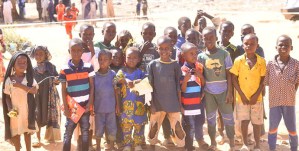
The cold winter months may bring happy days for you and your family, but for displaced families in Sudan, it is a time of intensified crisis. With the cold winter nights upon us, homeless individuals in Sudan should not also be feeling hopeless. This is why winter donations can bring them relief through food, medicines, and mobile clinics, warm clothing, and waterproof tents. This is the giving season after all, and while you purchase gifts for your own family members and friends, keep in mind the innocent faces of the Sudanese children who are grappling for their lives in Tawila and El Fasher.
Crisis in Sudan: Darfur, El Fasher, and Tawila
Across Sudan, the humanitarian crisis has reached staggering proportions. According to the UK Parliament’s Lords Library briefing, almost 13 million people have been displaced by conflict. In addition, more than 30 million people are estimated to need humanitarian assistance.
Specifically, in the Darfur region and around El Fasher, the statistics are grim. An estimated 21.2 million people were facing high levels of acute food insecurity as of September 2025.
In the region around El Fasher and the neighbouring displacement site of Tawila, the scale of suffering is extreme. For example, since 26 October 2025, some 82,000 people have fled El Fasher and surrounding areas, mostly heading toward Tawila alone.
This is not an abstract crisis; it is happening now, as children shiver without blankets, mothers give what little food they have to their toddlers, and fathers despair at not being able to provide for their families. When we talk about ‘winter donations’, we are talking about a lifeline at perhaps the most critical moment of need.
>> Related Post: Month of Giving: Give Back to Charities This Holiday Season
Why Winter is Especially Dangerous for Displaced Families
In regions like Tawila and El Fasher, where infrastructure is weak, camps are overcrowded, and basic supplies are already in short supply, the cold nights, rains and lack of shelter make everything worse.
- Lack of adequate shelter and clothing: Many families arrive at displacement sites wearing the clothes they fled in. They may have no warm clothing, blankets, or waterproof coverings to protect them from the cold nights.
- Exacerbated health risks: Cold weather increases the risk of respiratory infections, pneumonia, hypothermia, particularly among children, pregnant women and the elderly. In camps without proper heating, the risk is magnified.
- Food and nutrition challenges: Winter can reduce access to markets, increase transportation costs, and hamper food delivery. Families who were surviving on minimal rations are pushed to the edge. In areas like El Fasher, where aid is cut off, these effects are catastrophic.
- Water, sanitation, and hygiene (WASH) deteriorate: Cold weather and rain can disrupt water supplies and sanitation facilities. Camps already strain under high population density and limited resources; winter can push conditions into public health emergencies.
- Psychological toll & trauma: Sleeping through freezing nights in tents or under tarps, the feeling of helplessness increases, especially for children. The impact of the conflict and displacement is multiplied when there is no safe, warm place to rest.
>> Related Post: How Much Should I Give in Sadaqah/Charity?
The Power of Winter Donations: How Your Gift Helps
Your donation, however modest, can translate into real relief for these families. Here are practical ways your winter support brings immediate help:
Food provisions:
- $25 feeds 2–3 children for one month.
- $50 feeds 5 children.
- $100 feeds 10 children.
- $250 feeds 25 children.
- $500 feeds 50 children.
Other provisions:
- $5 provides clean water purification tablets for a family.
- $20 ensures essential medications for a pregnant mother.
- $250 provides emergency treatment for infectious disease outbreaks.
- $500 funds a full maternal care package (safe delivery).
- $1,000 supports 100 people with primary healthcare services for three months.
- $5,000 fully equips a health facility to serve displaced communities.
>> Related Post: Top 501(C)(3) Nonprofit Organizations to Donate to in 2026

How You Can Make a Difference And Why It Matters Now
When you pause between your own holiday planning and gift-shopping, remember these displaced families in Sudan. Here’s why acting now matters:
- Time sensitivity: Because winter is arriving and because families have already exceeded tipping points of hunger, cold and disease. Delays will mean irrecoverable harm, especially to children.
- Multiplier effect: Your donation contributes to a broader response in a region facing famine conditions. It enables agencies to keep mobile clinics running, buy warm clothing in bulk, secure food trucks, and drive winter‐proof tents into camps.
- Human dignity: These are mothers, fathers, children, human beings whose rights to shelter, food and health are being crushed. With a small donation, we affirm their value and presence in our global neighbourhood.
- Strategic giving: Your winter donation complements other giving (e.g., the regular food provision levels you listed). Think of it as winter survival support layered on top of general aid. For a displaced family in Tawila, hearing “we did not forget you this winter” means more than just a meal, it means hope.
>> Related Post: Best Charities to Donate to for Tax Deduction in 2026

Your Winter Gift Instructions & How to Get Involved with SAPA
Here are practical steps you can take today:
- Visit the El Fasher emergency response from SAPA.
- Decide on your winter donation amount. You might choose one of the food‐provision levels (e.g., $100 feeds 10 children per month) or the winter‐specific levels (e.g., $20 for essential medications, $5 for water purification tablets).
- Share the link with your community: employers, friends, family, social media. The urgency is high; the window is narrower than you think.
FAQs
1. Why are winter donations urgently needed in Sudan right now?
Winter in Sudan, especially in displacement zones like El Fasher and Tawila, brings freezing nights, heavy winds, and overcrowded camps with no insulation. Families are sleeping in torn tents, children lack warm clothing, and respiratory illnesses rise sharply.
2. How does the cold weather affect displaced families in El Fasher and Tawila?
Cold weather worsens hunger, disease, and malnutrition. Children exposed to freezing temperatures face pneumonia, hypothermia, and acute malnutrition, especially those already weakened by famine-level food shortages. Winter also disrupts food supply routes and makes medical access harder, increasing mortality risks.
3. What makes the situation in El Fasher so severe right now?
El Fasher has been at the heart of Sudan’s conflict, with tens of thousands fleeing in the past weeks alone. Many arrived in Tawila with nothing but the clothes on their back. Aid agencies report famine-like conditions (IPC Phase 5) and overwhelming pressure on camps already beyond capacity.
4. What does my donation actually provide?
Your winter donation can provide:
- Warm clothing & blankets for children
- Waterproof tents for families sleeping in open air
- Hot meals and food baskets
- Medicine & maternal care
- Clean water supplies & purification tablets
- Mobile clinics to treat winter-related infections
- Emergency treatment & health-facility support
5. How far does my donation go?
Using SAPA’s giving levels:
- $25 feeds 2–3 children for an entire month
- $100 feeds 10 children
- $500 feeds 50 children
- $5,000 feeds 500 children
Additional levels include:
- $5 → Clean water tablets for 1 family
- $20 → Essential medications for a pregnant mother
- $250 → Emergency infectious disease treatment
- $500 → Full maternal care package
- $1,000 → Healthcare for 100 people for 3 months
- $5,000 → Fully equips a health facility
6. How does SAPA reach families during winter when roads and access are difficult?
SAPA operates mobile clinics, fixed health centers, and on-ground volunteer networks in Dali, Dabba, Tawila, and the surrounding El Fasher areas. Even when access is partially blocked, SAPA teams deliver medicine, emergency nutrition, water purification tablets, and winter supplies through local health workers and community corridors.
7. How many people are affected by winter conditions in these displacement camps?
In the past weeks alone, over 82,000 new arrivals have entered Tawila and nearby displacement zones. Overall, millions across Sudan are sleeping in makeshift shelters without heat, and tens of thousands of children in North Darfur are at risk of severe acute malnutrition.