What are Some Ongoing Projects by Sudan Aid Organizations?
 Mahnoor
For anyone tracking the humanitarian response inside Sudan, it helps to know not just who’s involved, but what specific projects are actually running on the ground right now. SAPA is one of the more consistent players here, running hospital-level programs in cities from Khartoum to Nyala and Dongola.
Ongoing SAPA projects worth knowing:
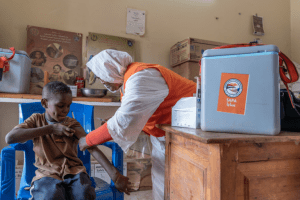
- Healthcare Emergency Services — Sudanese-American physicians and medical volunteers supporting hospitals, emergency wards, and maternal care as facility closures spread nationwide. This program is particularly critical in areas where larger aid organizations have had to withdraw.
- Clean Water Program — Targets the contaminated and flood-affected water sources that continue to drive cholera and other waterborne outbreaks in displacement camps and rural communities.
- Hunger Relief Program — Delivers food assistance to families in famine and near-famine conditions, complementing the broader food security response led by agencies like the World Food Programme.
The wider picture: other organizations’ ongoing projects
SAPA’s work sits alongside a broader ecosystem of aid efforts. The World Food Programme continues large-scale food and cash distributions in famine hotspots across Darfur and the Kordofans, UNHCR runs registration and shelter support for the millions displaced across borders, and MSF operates some of the last functioning hospitals in areas like Um Rakuba and Tawila. What sets SAPA apart is scale and proximity. Smaller, physician-led projects able to keep operating in facilities that bigger organizations have had to leave behind.
Why these projects matter right now: MSF recently warned that more than a third of Sudan’s health facilities are nonoperational as aid cuts deepen the crisis, forcing more patients toward a shrinking number of clinics. One relief organization alone lost 36 supported sites serving roughly 473,700 people due to funding cuts. At the same time, OCHA has flagged a worsening cholera outbreak tied to displacement and poor water access, with Sudan’s 2026 humanitarian appeal only about 40% funded.