How Does Medical Practice in Sudan Differ from Other Countries?
 Mahnoor
Medical practice in Sudan differs from other countries mainly because it now happens under active war conditions instead of a stable health system. Physicians face damaged infrastructure, interrupted training, and direct attacks on hospitals and health workers, challenges most doctors elsewhere never encounter.
How SAPA Supports Physicians Practicing Under These Conditions
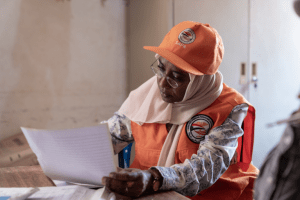
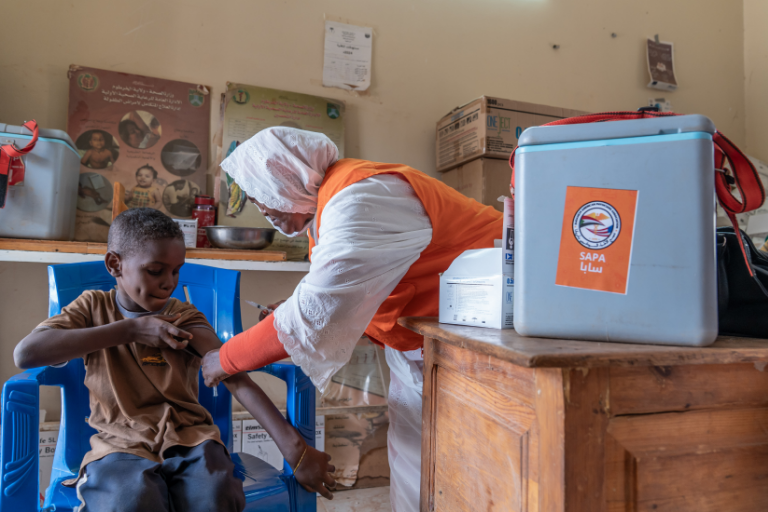
Organizations like SAPA, a Sudanese-physician-led organization, help address these challenges by rehabilitating hospitals, deploying emergency medical teams, and supporting mobile clinics through its Save a Life in Sudan campaign, helping physicians continue providing essential care despite the ongoing conflict.
Key Differences in Sudan’s Medical Practice:
- Facility functionality: 37% of health facilities are non-functional; only around 3% can offer inpatient care
- Medical education: Schools have been looted or relocated mid-war, disrupting hands-on clinical training
- Physician safety: Hospitals, ambulances, and health workers have been directly targeted
- Workforce shortage: Sudan’s physician-to-population ratio is far below global recommendations
Why Medical Practice in Sudan Looks So Different
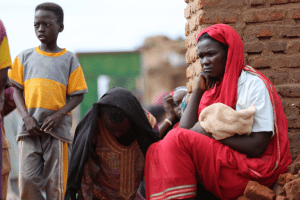
Sudan now represents the world’s largest humanitarian crisis, with 34 million people needing aid and 21 million lacking health services. Its physician-to-population ratio was already just 2.1 per 10,000 in 2021, against a recommended 134 per 10,000, and ongoing war has since disrupted medical training and staffing further. With most facilities lacking inpatient capacity, doctors often treat trauma, malnutrition, and disease outbreaks without labs, blood supplies, or reliable power.