
Dhul Hijjah Fasting 2026: When to Fast, Hadith & Benefits
 Waleed
Dhul Hijjah is the twelfth and final month of the Islamic lunar calendar, holding a place of deep reverence in the hearts of Muslims worldwide. It is a month that hosts two of the most sacred events in Islam: Hajj, the pilgrimage to Makkah, and Eid al-Adha, the festival of sacrifice.
Many may not know that the first ten days of Dhul Hijjah are considered the most virtuous days of the year, even greater than the days of Ramadan. These days are filled with unmatched opportunities for worship, forgiveness, and reward.
Recommended Days for Fasting in Dhul Hijjah
Muslims are encouraged to fast during the first nine days of Dhul Hijjah, particularly the Day of Arafah (9th Dhul Hijjah). Fasting on these days, especially Arafah, is a Sunnah of the Prophet ﷺ and holds immense reward.
- Days 1–9 of Dhul Hijjah: Recommended fasting days.
- Day 9 (Arafah): Strongly emphasized; fasting on this day expiates sins for two years.
- Day 10 (Eid al-Adha): Fasting is prohibited on this day, as it is a day of celebration and feasting.
>> Related Post: Facts about Eid Ul Adha Qurbani/Udhiyah
Hadith About Fasting in Dhul Hijjah
The virtues of the first ten days of Dhul Hijjah are well documented in Hadith literature. These days are so beloved to Allah (SWT) that righteous deeds performed within them are rewarded more than at any other time of the year.
“There are no days on which righteous deeds are more beloved to Allah than these ten days.” [Sahih al-Bukhari | 969]
Fasting on the Day of Arafah
The Day of Arafah, the 9th of Dhul Hijjah, holds a special place even among these ten days. For those not performing Hajj, fasting on this day is a powerful means of spiritual cleansing:
“Fasting the Day of Arafah expiates the sins of the previous year and the coming year.” [Sahih Muslim | 1162]
>> Related Post: Best Qurbani/Eid Ul Adha Charities to Donate to in 2026
Benefits of Fasting in Dhul Hijjah
1. Spiritual Benefits
- Fasting during these days leads to immense reward, as actions are multiplied and more beloved to Allah.
- It fosters taqwa (God-consciousness) and purifies the soul, aligning the heart with divine remembrance.
- These days serve as a means to reconnect with Allah through fasting, prayer, Qur’an, and dhikr.
2. Emotional & Mental Benefits
- The ten days offer a sense of renewal and a fresh spiritual start before the Islamic year ends.
Daily fasting encourages mindfulness, gratitude, and reflection. - Increased worship can ease emotional burdens and provide peace and purpose.
3. Physical & Health Benefits
- Like intermittent fasting, fasting during Dhul Hijjah can aid in detoxifying the body, improving focus, and managing appetite.
- It may help establish healthy eating habits centered around moderation.
>> Related Post: Benefits of Fasting in Islam
Practical Tips for Fasting in Dhul Hijjah
Fasting for multiple days can be spiritually uplifting but also physically and mentally demanding, especially if you’re new to voluntary fasting or facing long summer days. Here are some practical tips to help you make the most of this blessed time:
1. Prepare Mentally and Physically
- Set intentions early: Have a clear niyyah (intention) for fasting and remind yourself of the immense rewards.
- Plan your days: Structure your routine to include Qur’an reading, prayer, dhikr, and acts of kindness.
- Rest and pace yourself: Ensure you’re getting adequate sleep, especially if you plan to wake up for tahajjud or early suhoor.
2. Hydration and Balanced Meals
- Suhoor tips:
- Eat slow-digesting foods like oats, whole grains, and bananas.
- Include proteins like eggs, yogurt, or nuts to stay fuller longer.
- Hydrate well — aim for 2–3 glasses of water before Fajr.
- Iftar tips:
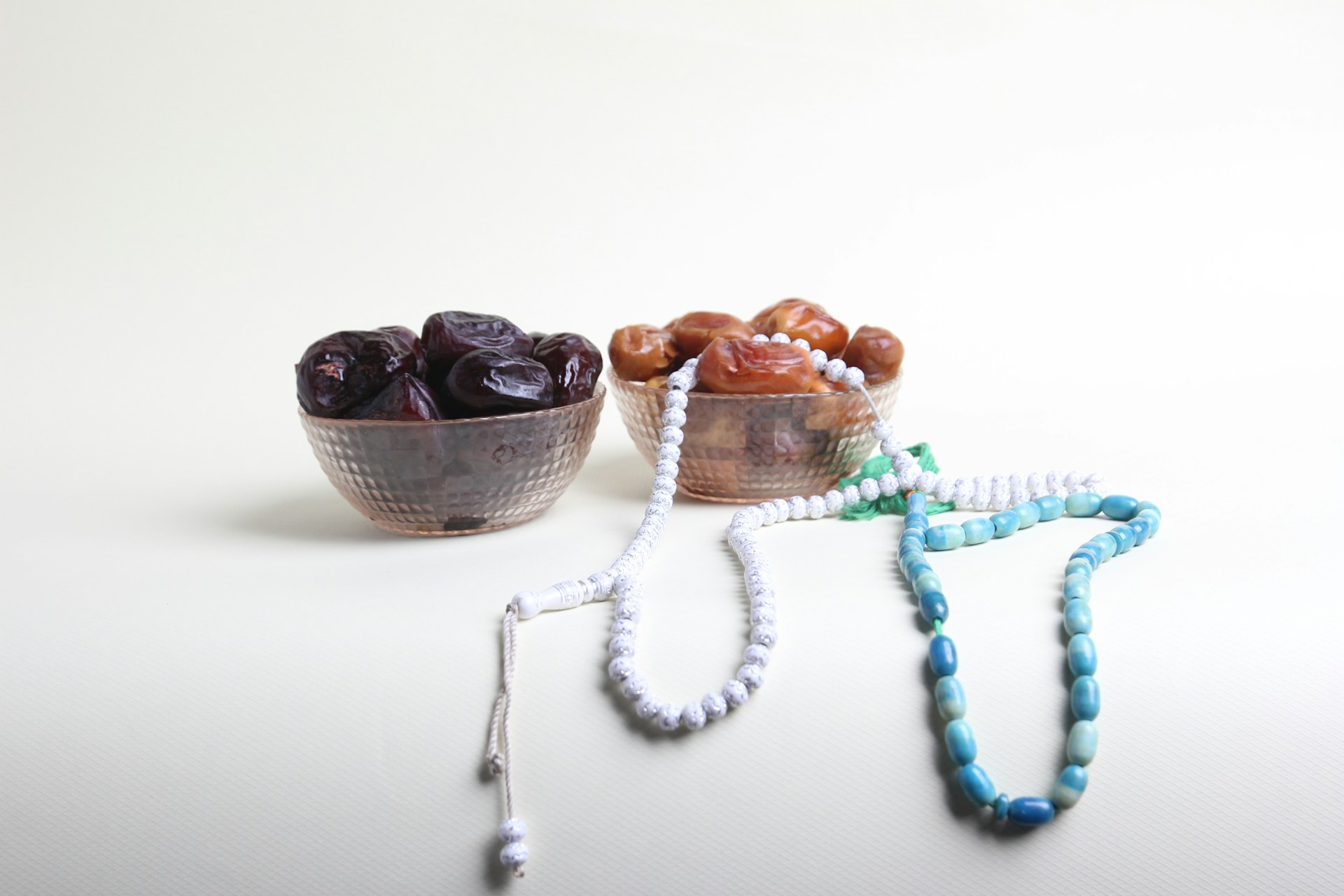
- Break your fast with dates and water, following the Sunnah.
- Avoid overeating or heavy fried foods; instead, opt for balanced meals with vegetables, lean proteins, and complex carbs.
- Continue hydrating between Maghrib and Isha.
3. Maximize Good Deeds
These ten days are a rare spiritual opportunity. Enhance your fasts with:
- Dhikr: Recite the following azkar throughout the day.
- Tahmeed: Al-hamdu Lillah (All praises be to God)
- Tahleel: Laa ilaha ill-Allah (There is no god but Allah)
- Tasbeeh: Subhaan-Allah (Glory be to God)
- Tahajjud: Wake up a bit earlier for night prayer — even two rak’ahs can be deeply rewarding.
- Charity: Give daily, even if it’s a small amount; your Sadaqah goes a long way and has a greater reward these days. Support causes like Qurbani, food relief, or local families in need.
- Dua and Qur’an: Make a heartfelt dua, especially in the last part of the night, and try to read or listen to the Qur’an each day.
>> Related Post: Best Sunnah Practices for the First Ten Days of Dhul-Hijjah
Fastest & Securest Way to Pay QURBANI ONLINE👇
Qurbani Related Resources & Posts:
- Qurbani Rules for Husband and Wife
- Qurbani Rules for a Family
- Is Qurbani Mandatory
- Best Qurbani Charities
- Best Sunnah Practices for the First 10 Days of Dhul-Hijjah
- Facts about Eid Ul Adha Qurbani/Udhiyah
- Dhul Hijjah Fasting: When to Fast, Hadith & Benefits
- Benefits of Qurbani in Islam
- Donate Qurbani Online
Conclusion
The first ten days of Dhul Hijjah are a gift; days filled with unparalleled opportunities for forgiveness, reward, and closeness to Allah. Fasting during this time, particularly on the Day of Arafah, is a powerful act of devotion with immense spiritual return.
Whether you’re able to fast all nine days or just one, make the intention, do your best, and remember that even small efforts done sincerely can carry great weight.
Comments (3)
dog backpack
Good post! We will be linking to this particularly great post on our site. Keep up the great writing
Claudia Alvarado
For the reason that the admin of this site is working, no uncertainty very quickly it will be renowned, due to its quality contents.
Lilly Ray
Daha önce araştırıp pek Türkçe kaynak bulamadığım sorundu Elinize sağlık eminim arayan çok kişi vardır.