Essential Sunnah Practices for the First Ten Days of Dhul-Hijjah
 Waleed
The first ten days of Dhul-Hijjah are among the most sacred in the Islamic calendar, described by the Prophet Muhammad (peace be upon him) as the best days for worship.
The Prophet (peace be upon him) said,
“There are no days during which righteous deeds are more beloved to Allah than these ten days” (Sahih al-Bukhari, 969).
Whether you’re performing Hajj or at home, these days offer a unique opportunity to draw closer to Allah through Sunnah practices.
Why These Days Are Special
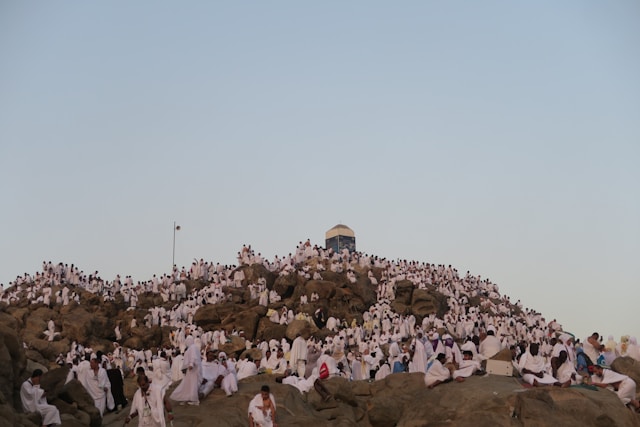
The sanctity of these days is rooted in Qur’anic oaths and Prophetic narrations. They coincide with Hajj, the Day of Arafah (the most blessed day of the year), and Eid al-Adha. Ibn Hajar (rahimahullah) noted that these days are unparalleled because they combine core acts of worship: prayer, fasting, charity, and Hajj.
The Prophet (peace be upon him) emphasized that
“Allah frees more people from the Fire on the Day of Arafah than on any other day” (Sahih Muslim, 1348).
For pilgrims and non-pilgrims alike, these days are a divine gift to earn immense rewards.
>> Related Post: What Happens After Ramadan? Maintaining Spiritual Growth & Good Habits
Best Sunnah Practices for the First 10 Days of Dhul Hijjah
Here are ten Sunnah practices to maximize your rewards during the first ten days of Dhul-Hijjah, grounded in authentic Islamic sources:
1. Fasting (First Nine Days, Especially Day of Arafah)
Fasting is among the best deeds, as Allah says in a Hadith Qudsi,
“All the deeds of the son of Adam are for him, except fasting, which is for Me, and I shall reward for it” (Sahih al-Bukhari, 1904).
It’s Sunnah to fast the first nine days of Dhul-Hijjah, with special emphasis on the 9th, the Day of Arafah. The Prophet (peace be upon him) said,
“Fasting on the Day of Arafah expiates the sins of the past year and the coming year” (Sahih Muslim, 1162).
Non-pilgrims are encouraged to fast on this day, while fasting on the first eight days is also a virtuous practice, as the Prophet (peace be upon him) fasted them in some years.
If unable to fast all nine days, prioritize Arafah. Ensure you’re physically prepared and break your fast modestly.
>> Related Post: Benefits of Fasting in Islam
2. Increased Dhikr (Remembrance of Allah)
Dhikr is a simple yet powerful act. The Prophet (peace be upon him) said,
“There are no days greater in the sight of Allah… than the first ten days of Dhul-Hijjah, so increase in them your Tahlil (La ilaha illallah), Takbir (Allahu Akbar), and Tahmid (Alhamdulillah)” (Musnad Ahmad, 7/224).
In Makkah, pilgrims recite the Talbiyah (Labbayk Allahumma Labbayk), and those at home should frequently recite phrases like “SubhanAllah,” “Alhamdulillah,” and “Allahu Akbar.”
Reciting “SubhanAllahi wa bihamdihi” 100 times a day wipes away sins (Sahih Muslim, 2698).
3. Reciting Qur’an
Reciting the Qur’an is a highly rewarding act of worship. The Prophet (peace be upon him) said, “Whoever reads a letter from the Book of Allah, he will have a reward, and that reward will be multiplied by ten” (Jami’ at-Tirmidhi, 2910).
During these blessed days, the rewards are magnified, making Qur’an recitation a priority. Dedicate time daily to read and reflect on the Qur’an. Even a few verses with contemplation can yield immense blessings.
4. Praying Tahajjud
Tahajjud, the night prayer, is a means to draw closer to Allah. The Prophet (peace be upon him) said,
“The best prayer after the obligatory prayers is the night prayer” (Sahih Muslim, 1163).
These blessed nights are ideal for Tahajjud. Pray 2–8 rak’ahs after Isha or before Fajr, making dua for forgiveness and guidance.
5. Giving Sadaqah
Charity is beloved to Allah, and its rewards are multiplied during these days.
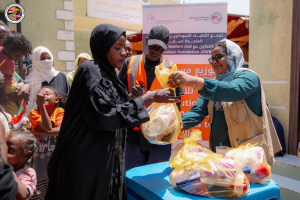
Sadaqah can be monetary, like donating to humanitarian causes, or non-monetary, like helping a neighbor. Automating donations to emergencies like Sudan ensures consistent rewards. Set a daily Sadaqah goal, even if small, or support organizations like SAPA for Sudan’s healthcare and hunger relief.
>> Related Post: Benefits of Sadaqah in Islam
6. Repentance and Seeking Forgiveness
Repentance (Tawbah) cleanses the soul. Allah says,
“Seek forgiveness of your Lord and repent to Him, [and] He will let you enjoy a good provision” (Surah Hud, 11:3).
These days are perfect for sincere Istighfar and resolving to abandon sins. Perform Salat al-Tawbah (two rak’ahs) and make heartfelt dua, such as “Astaghfirullah wa atubu ilayh” (I seek Allah’s forgiveness and turn to Him).
7. Performing Hajj or Umrah (If Possible)
Hajj is obligatory for those with means, and Umrah during Dhul-Hijjah is highly meritorious. The Prophet (peace be upon him) said,
“An accepted Hajj brings no less a reward than Paradise” (Sahih al-Bukhari, 1773).
Non-pilgrims can support Hajj efforts through dua or charity. They can make dua for pilgrims and aspire to perform Hajj in the future.
8. Offering Qurbani
The sacrifice/qurbani on Eid al-Adha (10th of Dhul-Hijjah) is a Sunnah Mu’akkadah for those who can afford it. The Prophet (peace be upon him) said,
“Whoever has the means to offer a sacrifice but does not do so, let him not approach our place of prayer” (Sunan Ibn Majah, 3123, graded Hasan).
This Prophetic Qurbani is a forgotten Sunnah worth reviving. Offer one sacrifice for your household and an extra one to emulate the Prophet, distributing meat to the poor.
>> Related Post: Best Qurbani/Eid Ul Adha Charities to Donate to in 2026
Fastest & Securest Way to Pay QURBANI ONLINE👇
Qurbani Related Resources & Posts:
- Qurbani Rules for Husband and Wife
- Qurbani Rules for a Family
- Is Qurbani Mandatory
- Best Qurbani Charities
- Best Sunnah Practices for the First 10 Days of Dhul-Hijjah
- Donate Qurbani Online
Conclusion
The first ten days of Dhul-Hijjah are a divine gift, offering unparalleled opportunities for spiritual growth. Following these Sunnah practices, fasting, Dhikr, sacrifice, and more can earn immense rewards and strengthen your connection with Allah. Let’s seize this season of worship with sincerity and help those who need us the most. May Allah accept our deeds and grant us His mercy. Ameen.
FAQs
1. Is it mandatory to perform Udhiyah (sacrifice)?
Udhiyah is a Sunnah Mu’akkadah (highly emphasized) for those who can afford it, not obligatory. The Prophet (peace be upon him) said, “Whoever has the means to offer a sacrifice but does not do so, let him not approach our place of prayer” (Sunan Ibn Majah, 3123, graded Hasan). The animal must meet Islamic requirements, and the meat should be shared with family, friends, and the poor.
2. What is a Prophetic Qurbani, and should I offer one?
A Prophetic Qurbani is an additional sacrifice offered on behalf of those in the Ummah who cannot afford one, following the Prophet’s practice (Tabarani, Ahmad, graded Hasan). It’s not obligatory but highly rewarding, as it revives a Sunnah and feeds more families during Eid. Consider it if you have the means after your obligatory Udhiyah.
3. Why is attending Eid Salah important?
Eid Salah is a communal act of worship that strengthens Muslim unity. The Prophet (peace be upon him) regularly attended it, and even women, including those unable to pray due to menstruation, were encouraged to join for blessings (Sahih al-Bukhari, 974). It’s a Sunnah for all Muslims to participate.
4. Can I give Sadaqah if I can’t afford Udhiyah?
Yes, Giving Sadaqah is highly encouraged and can be given in any amount, even small contributions. The Prophet (peace be upon him) said, “Protect yourself from the Fire, even with half a date” (Sahih al-Bukhari, 1417).
5. What are the common mistakes to avoid during Dhul-Hijjah?
Avoid treating these days as ordinary, fasting on prohibited days (10th–13th), reciting Takbir at incorrect times, or neglecting Udhiyah if you can afford it. Also, balance worship with rest to avoid burnout, and ensure your intentions are sincere for Allah’s sake.