
How Maha Became a Beacon of Hope for Orphaned Newborns During War
 Waleed
War changes everything, especially for the most vulnerable, orphaned newborns who start life under the harshest circumstances. In Sudan, where conflict has torn families apart and devastated the healthcare system, compassion and resilience shine through remarkable stories. One such story is Maha’s, a healthcare worker who became a beacon of hope for orphaned newborns amid the chaos and suffering.
Decades of research reveal that trauma leaves deep marks on the nervous system, keeping the body constantly on high alert long after the incident ends. For children orphaned in Sudan’s war, trauma begins early, sometimes at birth, and the effects ripple through their lives.
The Larger Crisis: A Collapsing Healthcare System
Sudan’s healthcare infrastructure has been decimated. Recent reports estimate that nearly 80% of health facilities in conflict areas are non-functional. Hospitals that remain open grapple with critical shortages of medicines, equipment, and trained staff.
Neonatal units are especially impacted, with many closing or operating at reduced capacity. This leaves newborns without access to life-saving vaccinations, treatments, and warmth.
>> Related Post: Bahri Hospital’s Golden Days with 100,000 Outpatient Visits Annually: A Vision for Restoration
Orphaned Newborns: Innocence on the Frontlines
In 2025, conflict in Sudan intensified the humanitarian crisis, orphaning more children than at almost any time in recent history. Thousands of newborns are left without parental care, and many face life-threatening health risks such as malnutrition, infections, and dehydration.
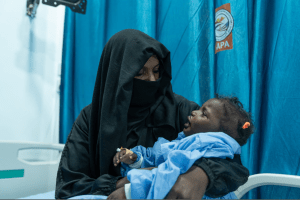
Maha works at one of Sudan’s few remaining neonatal care centers in Khartoum, where she tends to these fragile lives. For many orphans, hospital visits could mean the difference between survival and tragedy.
Maha’s Courage: Caring and Parenting Against all Odds
During the height of the Khartoum war, Maha Taha worked at Al-Nau Hospital alongside her mother. Despite the constant chaos, she served tirelessly as a health worker and administrative assistant, caring for the injured and vulnerable alike.
One profoundly moving moment came when Maha noticed a newborn named Abdulrahman abandoned after his mother disappeared amid the conflict. From that moment, she dedicated herself not only as a healthcare provider but as a mother figure, adopting Abdulrahman and caring for him despite the exhausting workload.
Maha changed diapers, monitored his health, and celebrated milestones despite relentless long nights and scant resources. Supported by family and colleagues, her unyielding belief that “every small effort makes a difference” kept her going.
>> Related Post: SAPA and UNICEF’s Life-Changing Aid for Malnourished Children like Hashim in Omdurman
The SHARE Project at Work
Today, Maha works at the Saudi Maternity Hospital, a facility rehabilitated by the Sudanese American Physicians Association (SAPA). Her story is intertwined with SAPA and UNICEF’s SHARE Project, a vital initiative supporting 25 primary health centers and neonatal units across Khartoum and Omdurman.
Through SHARE, hospitals receive medical supplies, nutritional support, staff training, and infrastructure repairs. This partnership enables Maha and her peers to provide lifesaving care despite Sudan’s shattered healthcare system.
>> Related Post: Saving Lives One Dose at a Time: Mayar’s Immunization Story in Khartoum
Why Every Dose and Every Care Moment Counts
The first 28 days of a newborn’s life are the most critical. Timely medical intervention, proper hygiene, and nutrition can prevent fatal infections and complications.
Maha’s meticulous care, including feeding schedules, monitoring for infections, and providing warmth, directly boosts survival rates for orphaned newborns. Each baby saved brings hope not only to their family but to a community yearning for recovery.
>> Related Post: 4,000 Daily Meals for Tawila Families Reflect SAPA’s Commitment to Relief
How You Can Help Heroes Like Maha
The war in Sudan shows no signs of ending soon. Orphaned newborns like Abdulrahman will continue to rely on the strength and generosity of the global community. Your support can provide: