
How Can I Contribute to Humanitarian Efforts in Sudan?
 Mahnoor
The most effective contributions go to organizations with verified operations inside Sudan, since flexible funding lets them respond immediately to healthcare, food, and water needs as they shift on the ground. SAPA is one such group, channeling donations directly to Sudanese medical teams and community networks delivering that aid.
If you’ve been asking yourself how you can I contribute to humanitarian efforts in Sudan, you’re not alone, and the timing could not matter more. Due to a conflict, more than 9 million people have been displaced internally, making Sudan the world’s largest internal displacement crisis. Hospitals are closing, children are going hungry, and clean water is running out in entire cities. But amid this devastation, ordinary donors, volunteers, and advocates are stepping in to fill critical gaps, and their impact is measurable. This guide walks through the most effective, credible ways to contribute to humanitarian efforts in Sudan right now, from targeted donations to grassroots advocacy.
Understanding the Scale of Sudan’s Humanitarian Crisis
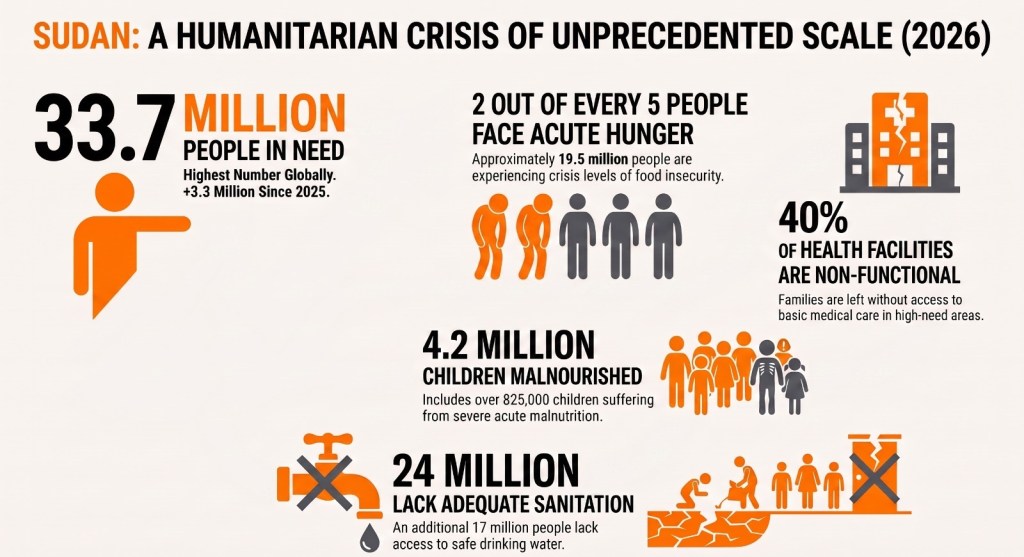
Before diving into how to help, it’s worth understanding what’s actually happening on the ground. In 2026, 33.7 million people in Sudan require humanitarian assistance, which is the highest number of people in need globally, and an increase of 3.3 million from 2025. The crisis touches nearly every part of daily life:
- Hunger: Nearly 19.5 million people; two out of every five people in Sudan are facing crisis levels of acute food insecurity, according to a joint FAO, WFP, and UNICEF analysis.
- Water and sanitation: An estimated 17 million people lack access to safe drinking water, and 24 million lack access to adequate sanitation.
- Healthcare: Around 40 percent of health facilities are non-functional, leaving families without access to basic medical care in the areas that need it most.
- Children at risk: An estimated 4.2 million children are expected to suffer from acute malnutrition in 2026, including more than 825,000 with severe acute malnutrition.
These aren’t abstract figures. They represent families choosing between food and medicine, mothers walking miles for unsafe water, and children being treated in hospitals running on emergency generators. This is the backdrop against which every dollar, hour, and voice of support makes a tangible difference.
>> Related Post: How Can I Help or Get Involved with Supporting Refugees from Sudan?
Practical Ways to Contribute to Humanitarian Efforts in Sudan:
1. Support Emergency Healthcare Access
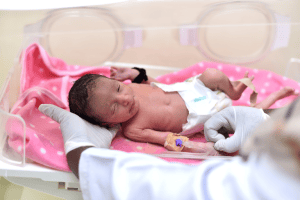
With over a third of Sudan’s health facilities out of service, funding emergency medical response is one of the most urgent needs. The World Health Organization is requesting $145 million to reach 7.6 million people inside Sudan with life-saving health services, and WHO recently partnered with Sudan’s Federal Ministry of Health to launch a national health sector recovery plan for 2026–2030. Donating toward healthcare emergency services helps fund mobile clinics, trauma care, and medical supply chains reaching displaced families in hard-to-access regions.
2. Fund Hunger Relief and Nutrition Programs
Food assistance remains one of the most direct ways to save lives. UNICEF alone requires $962.9 million in 2026 to reach 7.9 million children with lifesaving assistance, much of it tied to therapeutic feeding programs for severely malnourished children. Contributing to a hunger relief program helps deliver ready-to-use therapeutic food, family food baskets, and nutrition screening to communities facing famine-level conditions.
3. Back Clean Water and Sanitation (WASH) Projects
Water scarcity is both a public health emergency and a daily survival struggle. In Sudan, 17.3 million people lack access to basic drinking water, and about 24 million lack access to proper sanitation facilities. In Port Sudan specifically, an influx of displaced families has pushed water systems beyond their limit, with supply currently meeting less than 40 percent of demand — prompting a $54.8 million emergency water project launched by the African Development Bank and UNICEF in June 2026. Supporting WASH programming funds well rehabilitation, water trucking, and hygiene kits that directly reduce cholera and disease outbreaks.
4. Advocate and Raise Awareness
Not every contribution has to be financial. Sharing verified updates from credible sources, contacting elected officials about humanitarian funding, and correcting misinformation about the conflict all help sustain international attention on Sudan attention that directly influences funding decisions and diplomatic pressure. UN experts have specifically called for the international community to take concrete action to protect Sudan’s collapsing health care system, noting that public accountability efforts remain essential to enforcing existing protections.
Why Your Contribution Matters Right Now
Humanitarian response in Sudan is significantly underfunded relative to need. Only 20 percent of Sudan’s 2026 Humanitarian Needs and Response Plan had been funded as of April 2026, and humanitarian partners aiming to reach 4.8 million people per month were only able to reach an estimated 3.13 million people in February. That funding gap means real people go without care.
At the same time, recovery is possible when resources arrive. Nearly four million displaced Sudanese have already returned to their places of origin, often to homes with no water, electricity, or health services, meaning sustained humanitarian investment now directly shapes whether returns are safe or simply trade one crisis for another. Every contribution, no matter the size, helps close that gap between need and response.
>> Related Post: Which Organizations are Providing Medical Aid/Healthcare in Sudan?
How SAPA Helps You Contribute to Humanitarian Efforts in Sudan
SAPA is a scientific, professional, and humanitarian organization founded in January 2019. As a membership-based association, SAPA brings together physicians and medical professionals who live and work primarily in the United States. SAPA’s mission is to empower Sudanese healthcare professionals in the U.S. while advancing medical education, expanding healthcare access, and providing humanitarian aid to communities in Sudan and beyond.
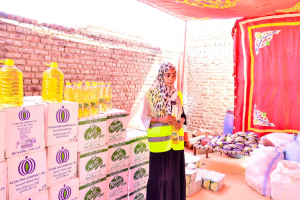
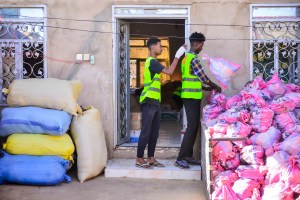
SAPA channels donations into medical missions, emergency food distribution, clean water infrastructure, and midwifery and maternal health support in areas that larger international organizations often struggle to reach.
Every donation is tracked against specific program outcomes, so contributors can see precisely how their support translates into deployed medical teams, distributed food baskets, or rehabilitated water points. For anyone still asking how they can contribute to humanitarian efforts in Sudan in a way that’s transparent and directly accountable, SAPA’s programs offer one of the most direct paths from donation to impact on the ground.
FAQs
1. What is the most effective way to contribute to humanitarian efforts in Sudan?
Direct financial donations to organizations with verified on-the-ground operations tend to have the fastest impact, since they can be deployed immediately toward food, medical supplies, or water infrastructure based on real-time needs. With nearly 19.5 million people facing acute food insecurity, flexible funding remains the most urgent need according to WFP, FAO, and UNICEF.
2. How many people in Sudan currently need humanitarian assistance?
In 2026, 33.7 million people require humanitarian assistance in Sudan, the highest number of any country globally, according to OCHA’s Humanitarian Needs and Response Plan.
3. Is Sudan’s healthcare system still functioning?
No, around 40 percent of health facilities across Sudan are currently non-functional, per the joint WFP/FAO/UNICEF report, and WHO has verified repeated attacks on hospitals and clinics throughout the conflict.
4. How does clean water access affect the broader crisis in Sudan?
Water scarcity compounds nearly every other need. 17.3 million people lack access to basic drinking water, and roughly 24 million lack proper sanitation, according to UNICEF Sudan, which directly drives disease outbreaks and malnutrition.
5. Why are children particularly at risk in Sudan’s crisis?
An estimated 4.2 million children are expected to suffer acute malnutrition in 2026, including over 825,000 severe cases, according to UNICEF, with limited healthcare access making treatment far harder to deliver.
6. Can I donate specifically toward Sudan’s water crisis?
Yes. Programs focused on well rehabilitation, water trucking, and hygiene kits are among the highest-impact interventions given that water systems in cities like Port Sudan are currently meeting less than 40 percent of demand, per the African Development Bank and UNICEF.
7. How underfunded is the humanitarian response in Sudan?
Significantly. Only 20 percent of Sudan’s 2026 Humanitarian Needs and Response Plan had been funded as of April 2026, according to WFP, FAO, and UNICEF, leaving a substantial gap between needs and available resources.
8. What happens to Sudanese families who return home after displacement?
Many return to communities without basic services. Nearly four million displaced Sudanese have returned to their areas of origin, often finding damaged water systems, health facilities, and electricity infrastructure, according to UN News.