Children in Sudan Are Facing Severe Hunger. Here’s How You Can Help
 Mahnoor
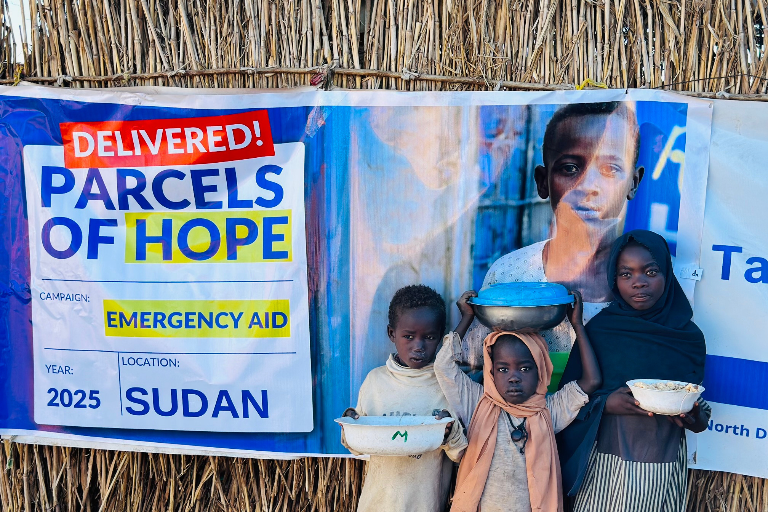
Children in Sudan are facing severe hunger on a scale few places in the world have ever seen. After more than three years of war, markets have collapsed, families have been driven from their homes again and again, and a drought is now drying out farmland across Darfur and Kordofan. For millions of Sudanese kids, going to bed hungry has become normal. For the youngest, hunger can turn into life-threatening malnutrition within weeks.
The good news is that help works. A child with severe malnutrition can recover with the right food and medical care, and a single meal can carry a family through another day. This guide explains why kids in Sudan are starving, what hunger does to a growing child, what is already being done, and the practical ways you can help right now.
Why Are Children in Sudan Facing Severe Hunger?
War has broken the food system
The fighting that began in April 2023 has made it dangerous to grow, move, and sell food. More than half of the population, around 28.9 million people, now face acute food insecurity, and many families survive on a single meal a day or less, according to the International Rescue Committee. When roads are unsafe and markets are empty, even families with some money cannot find enough to eat.
Families have been forced from their homes
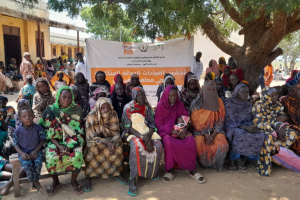
Displacement strips families of their farms, savings, and support networks. The International Organization for Migration says 8.6 million people remain displaced inside Sudan, Reuters reported in September. In Tawila, North Darfur, roughly 950,000 displaced people now live in a sprawling tent settlement, and the World Food Programme (WFP) has had to cut their rations further because of a lack of funds.
Drought is making a bad situation worse
In October, the global hunger monitor known as the IPC warned that an El Niño-driven drought is affecting about half the country, reducing food supplies and pushing up prices, as Al Jazeera reported. West Kordofan is going through one of its worst droughts since 2004, and poor crop growth has hit 64% of cropland in North Darfur, according to AP via PBS NewsHour.
Aid is running out
WFP’s funding for Sudan has fallen by roughly half this year. By September it had received about $206 million, compared with $645 million last year, and it now faces a gap of nearly $300 million just to keep current operations going, Radio Tamazuj reported. With close to 20 million people facing hunger, the agency has been forced to focus on the 5 million most in need.
>> Related Post: Best Hunger/Poverty Charities in Sudan
What Hunger Does to Sudanese Kids
Hunger affects children differently than adults. A child’s body is still growing, so even a few weeks without enough nutrients can cause lasting harm.
Malnutrition, explained simply
Acute malnutrition, also called wasting, happens when a child loses weight quickly because they are not getting enough food or are too sick to absorb it. The most dangerous form, severe acute malnutrition, can be fatal without treatment. Across Sudan, about 4.2 million women and children are acutely malnourished, according to WFP.
Hotspots are getting worse
In Nyala, South Darfur, the share of children at nutrition services who needed treatment for severe acute malnutrition doubled from about 5% to 11% between January and August. Two displacement camps in South Darfur also recorded malnutrition rates above the famine threshold, the IPC found.
Hunger and disease feed each other
A starving Sudanese child has a weaker immune system, which makes diseases like cholera, measles, and diarrhea more likely and more deadly. Those illnesses, in turn, make it harder for the body to absorb food. With more than 70% of hospitals unable to provide services, children facing malnutrition and disease may struggle to access timely treatment. Conflict, shortages of medical supplies, and restricted access have further weakened Sudan’s healthcare system.
>> Related Post: How Can I Effectively Donate to Charities Supporting Sudan?
What is Already Being Done for Starving Kids in Sudan?
Despite insecurity and access challenges, aid groups are reaching millions of children. In the first half of 2026, UNICEF and its partners screened 5.3 million children for acute malnutrition, treated about 174,700 children for severe acute malnutrition, and helped 6.6 million people access safe water, according to UNICEF’s mid-year situation report. WFP is reaching more than 4 million hungry people each month.
Still, needs are growing faster than funding. Large international agencies cannot do this alone, and community-based organizations with local doctors and volunteers are filling critical gaps, often in places that are hardest to reach.
How SAPA is Helping Children in Sudan Facing Severe Hunger
SAPA is a U.S.-based 501(c)(3) nonprofit made up of Sudanese and Sudanese American doctors. Because its members have deep roots in Sudan, SAPA works with local teams in more than 13 states to reach families that many outside groups cannot.
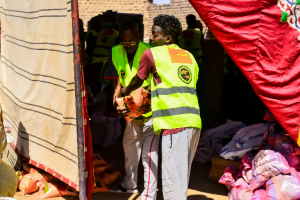
Daily meals for displaced families. In Tawila, North Darfur, SAPA serves 4,000 meals every day to families displaced by war, many of whom fled the devastated Zamzam Camp. The meals are cooked in a community kitchen in Al-Omda, run by displaced mothers and local women who prepare food for their neighbors with dignity and care. Each meal helps protect children against malnutrition and gives families a little stability in the middle of a crisis.
Fortified food through partnerships. SAPA has worked with partners to distribute hundreds of thousands of fortified meals to children in Port Sudan’s shelters and host communities, and runs community kitchens in Khartoum.
>> Support SAPA’s Sudan Hunger Relief Program to help provide meals for families displaced by conflict
FAQs
1. Why are children in Sudan starving?
Kids in Sudan are starving because war has disrupted farming and markets, millions of families have been displaced, a severe drought has cut harvests, and aid funding has dropped. Around 28.9 million people now face acute food insecurity, according to the IRC.
2. How many Sudanese kids are hungry or malnourished?
Millions. About 4.2 million women and children in Sudan are acutely malnourished, WFP reports, and many more children go without enough food every day.
3. What is severe acute malnutrition?
It is the most dangerous form of malnutrition, where a child becomes extremely thin and weak. Without treatment, it can be fatal. It is usually treated with ready-to-use therapeutic food and medical care. UNICEF and partners treated about 174,700 children for it in the first half of 2026, per UNICEF.
4. Why is food aid to Sudan being cut?
Funding has fallen sharply. WFP has received about half of last year’s funding for Sudan and needs nearly $300 million to sustain current operations, according to Radio Tamazuj.
5. Does clean water help reduce child hunger?
Yes. Dirty water causes diarrhea and cholera, which stop children from absorbing nutrients. UNICEF helped 6.6 million people access safe water in early 2026, per its mid-year report.
6. Is my donation to SAPA tax-deductible?
Yes. SAPA is a registered 501(c)(3) nonprofit (EIN 83-3464851) based in Dallas, Texas, so donations are tax-deductible to the extent allowed by law.