How SAPA is Supporting Clean Water Access for El-Geneina
 Mahnoor
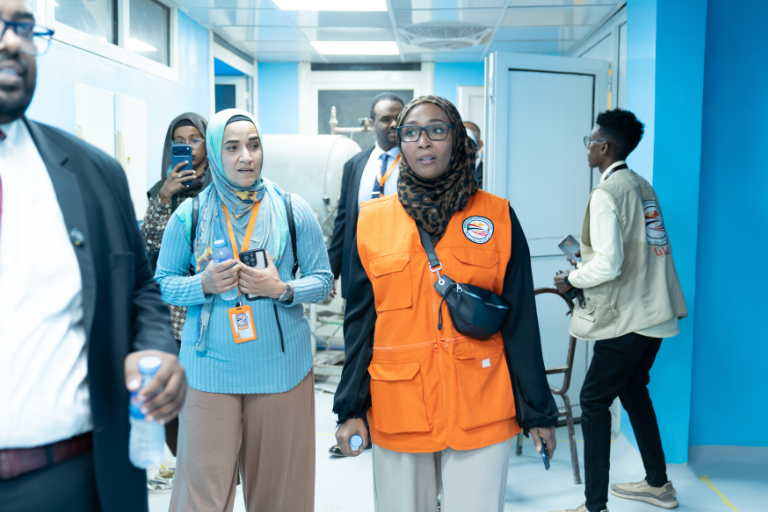
At El-Geneina Teaching Hospital in West Darfur, reliable water is essential to daily patient care. Dialysis, surgery, laboratory work, sterilization and infection prevention all depend on an adequate supply. But the hospital’s existing well can no longer meet demand across its departments, forcing staff to ration water when storage tanks run low.
That’s why, SAPA is building a new water well near the hospital. The project is designed to strengthen the hospital’s water supply and extend access to nearby communities, including displaced families, returnees and host residents. Here’s what the project involves, why it matters, and how you can support clean water initiatives in El-Geneina.
Why Clean Water Access in El-Geneina is a Health Emergency
Water and health are tied together everywhere, but in Darfur the link is especially stark. Years of conflict have damaged pipes, pumps and power supplies. Families who once walked to a nearby tap now buy water from carts or collect it from unsafe sources.
The numbers from the past two months show how fast things are getting worse:
- Water has become far more expensive. In Geneina, 400 litres of water rose from SDG 6,000 a year ago to SDG 25,000 in 2026, according to the Centre for Humanitarian Change. Some West Darfur villages now walk up to 7 km for drinking water.
- The rains failed. The same report found that the 2026 rainy season arrived late and was highly erratic, with widespread crop failure in large parts of West Darfur.
- Disease follows unsafe water. A cholera outbreak that began in May spread to 20 localities in six states, infecting nearly 3,000 people and claiming about 250 lives, the UN reported in late September.
- Aid is stretched thin. The $2.9 billion humanitarian appeal for Sudan was only 41% funded as of early September, according to the UN. UNICEF’s August situation report put the water, sanitation and hygiene (WASH) funding gap at $155.2 million, 69% of what’s needed.
>> Related Post: SAPA and Embrace Help More Newborns Receive Critical Care in Sudan
Inside the El-Geneina Water Well Project
The El-Geneina Water Wells Project is a WASH intervention designed to give El-Geneina Hospital a sustainable, safe and reliable water source. SAPA is funding the construction and installation of one new borehole well near the hospital, along with everything needed to make it work day in, day out.
What’s being built:
The project budget is $111,050 and covers:
- A geophysical survey to find the best drilling site
- Borehole well drilling
- Pipes and connections to the hospital
- A water storage tank
- A solar power system to run the pump
The project started on 16 August 2026 and is currently in the geophysical survey stage. This step matters. Drilling in the wrong spot wastes time and money, so the survey maps the ground below to find a dependable water source before the rig arrives.
Why the hospital needs a second well:
El-Geneina Hospital already has a well, but its services have grown and its old supply hasn’t. Clean water isn’t “nice to have” in a hospital. It’s what keeps these services safe:
- Dialysis, which uses large volumes of treated water for every session
- Surgery and sterilization of instruments
- Laboratory services
- Infection prevention and control, from handwashing to cleaning wards
- General hospital hygiene, laundry and sanitation
When water runs short, these services slow down or stop. A second, larger source means fewer interruptions, lower water supply costs, and a safer place to receive care. It builds on SAPA’s wider work to restore healthcare and emergency services in Sudan, including repairing dialysis units and laboratories at the same hospital.
>> Related Post: Razan’s Mother Finds Hope Through SAPA and UNICEF
Who Will Benefit from Clean Water in El-Geneina
This well won’t only serve the hospital. It’s also expected to provide water to the neighborhoods around it. The people who stand to benefit include:
- Patients at El-Geneina Hospital
- Internally displaced persons (IDPs)
- Returnees coming back to rebuild their lives
- Host communities who have shared their resources with displaced families
- Households in neighboring communities
In total, the project is expected to benefit more than 600,000 households. For families paying four times more for water than they did a year ago, a nearby, reliable source can ease a heavy daily burden.
>> Related Post: SAPA’s Ibrahim Malik Hospital Project Reaches 80%
How Your Gift Supports Clean Water in Sudan
Every gift to SAPA’s Clean Water for Sudan campaign goes toward lasting water infrastructure, not short-term fixes. Here’s what different amounts can do:
- $25 funds water testing and chlorination
- $50 provides hygiene materials for families
- $100 supports operator training and monitoring
- $250 covers spare parts and maintenance
- $500 funds a water quality monitoring cycle
- $1,500 buys materials for a community water system
- $2,000 supports safety and long-term reliability
- $5,000 helps build solar-powered infrastructure
You can also start your own fundraiser and invite friends, family or your community to give alongside you.
About SAPA: Supporting Clean Water Access in El-Geneina and Beyond
SAPA is a U.S.-based nonprofit of physicians and health professionals working to improve health care in Sudan.
In West Darfur, SAPA’s work goes beyond water. As described in its El-Geneina crisis update, the team runs emergency medical clinics, nutrition programs for malnourished children and mothers, and water safety efforts such as chlorinating wells and distributing hygiene supplies. It also partners with groups including UNICEF, WHO, IOM and SAMS.
Donors can give with confidence. SAPA holds a 4-star rating from Charity Navigator and a Platinum Seal of Transparency from Candid.
>> Donate to El-Geneina. Your support can help deliver emergency healthcare, critical medical supplies and hope to vulnerable families across Sudan.
FAQs
1. What is the El-Geneina Water Well Project?
It’s a SAPA-funded WASH project to build one new solar-powered borehole well near El-Geneina Teaching Hospital in West Darfur. It gives the hospital a reliable water source and extends clean water access to surrounding communities.
2. Why does El-Geneina Hospital need a new well?
The hospital’s existing well no longer meets the needs of all its departments. As services have grown, so has demand for water for dialysis, surgery, labs, sterilization and infection control.
3. How much does the project cost?
The estimated total cost is $111,050. This covers the geophysical survey, drilling, pipes and connections, a water tank and a solar power system.
4. When did the project start?
Work began on 16 August 2026. The project is currently in the geophysical survey stage, which identifies the best place to drill before construction starts.
5. Who will benefit from the new well?
Patients, internally displaced persons, returnees, host communities and nearby households. The project is expected to benefit more than 600,000 households.
6. Is humanitarian funding enough to meet water needs in Sudan?
No. UNICEF reported a $155.2 million WASH funding gap in its August 2026 situation report, and the overall UN appeal for Sudan was just 41% funded in early September. Private donors help close that gap.
7. How can I support clean water access in El-Geneina?
You can donate to SAPA’s clean water campaign, start a fundraiser, or share this story. Gifts start at $25, which funds water testing and chlorination.