SAPA and ECHO Support Maternal Care in Khartoum
 Mahnoor
Caesarean delivery can be essential when complications make vaginal birth unsafe. For mothers in southern Khartoum State, accessing that surgery became much harder after war disrupted hospital services.
At Jebel Awlia Teaching Hospital, the operating theatre fell silent after fighting broke out. Women who needed surgical delivery had to look for care farther from home, at a time when travel across the city was costly and uncertain.
In August 2026, that changed. The hospital performed its first caesarean delivery since the war began. This was made possible by work the SAPA carried out in partnership with WHO Sudan, through activities supported by ECHO, the European Union’s humanitarian aid department.
This article explains what was restored, why it matters for maternal care in Khartoum, and how you can help more mothers give birth safely.
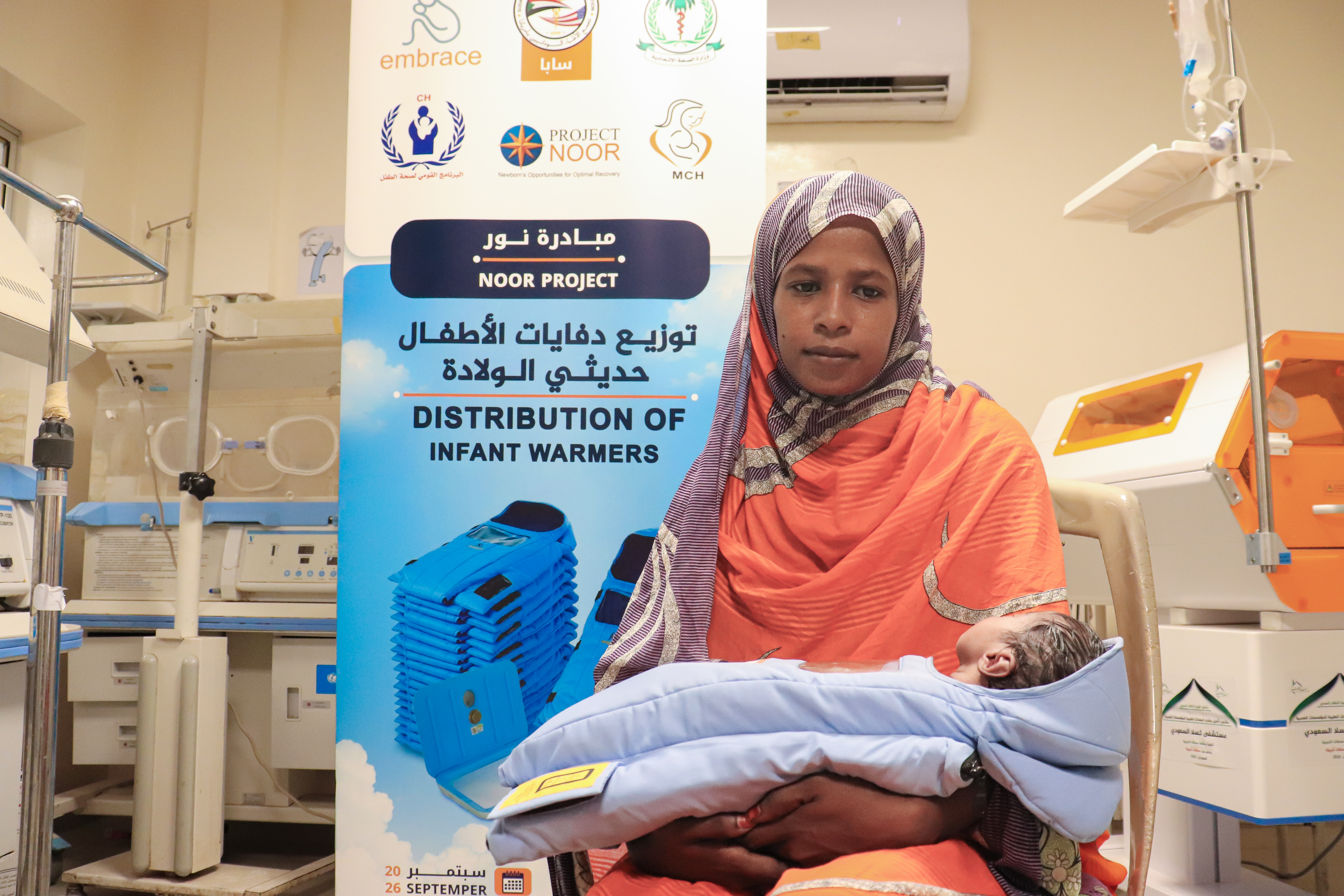
>> Related Post: SAPA and Embrace Help More Newborns Receive Critical Care in Sudan
Why Maternal Care in Khartoum Broke Down
Khartoum was once the heart of Sudan’s health system. Since the conflict, hospitals across the capital have been damaged, looted or forced to close.
Maternity services were hit especially hard. A safe birth depends on many things working at once:
- A functioning operating theatre for emergency caesareans
- Maintained equipment, from anaesthesia machines to sterilisers
- Reliable power and water
- Trained doctors, midwives and nurses on every shift
When any one of these fails, a hospital cannot offer surgical delivery. For a mother in obstructed labour, that gap can be life-threatening. Recovery is now under way. In late July 2026, Sudan’s health minister said about 75% of hospitals and primary health facilities had resumed work. He described the system as shifting from wartime emergency care toward rebuilding.
In the capital, the health ministry has repaired and reopened 15 maternity wards. Khartoum’s hospitals now record roughly 7,000 births a month. The same report notes several ongoing problems:
- Shortages of medicines
- Overstretched emergency rooms
- Staff who have not returned
- Equipment that needs regular maintenance
>> Related Post: Razan’s Mother Finds Hope Through SAPA and UNICEF
Jebel Awlia Teaching Hospital Performs Its First Caesarean Since the War
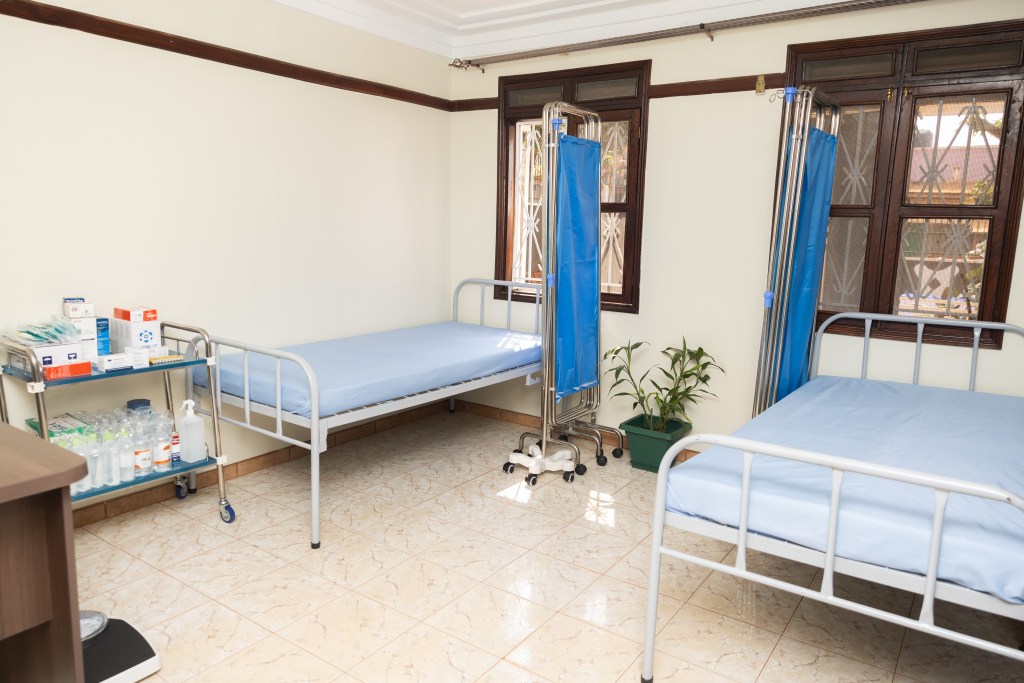
Jebel Awlia Teaching Hospital serves communities in the south of Khartoum State. After the war began, it could no longer perform caesarean deliveries. In August 2026, Jebel Awlia Teaching Hospital performed its first caesarean section since the war began. The operation marked the return of a surgical maternity service that had been unavailable at the hospital during the conflict.
For the mother at the centre of this story and her family, it meant something simple and important: childbirth care close to home. She did not have to search for a distant hospital at the most vulnerable moment of her pregnancy.
>> Related Post: SAPA’s Ibrahim Malik Hospital Project Reaches 80%
What SAPA, WHO Sudan and ECHO Restored
The first caesarean did not happen by chance. SAPA, working with WHO Sudan through activities supported by ECHO, focused on three practical needs:
- Rehabilitating the operating theatre so surgery could be performed safely again
- Maintaining existing medical equipment that had fallen out of service
- Providing essential medical devices the surgical team needed to operate
This kind of support is less visible than an emergency convoy, but it can have lasting value. A rehabilitated theatre and functioning equipment create the conditions for repeated surgical care, provided the hospital can maintain staffing, supplies and equipment over time.

Why Restored Caesarean Care Matters for Mothers
Not every birth needs surgery. But when one does, timing is everything. A nearby theatre can mean the difference between a safe delivery and a dangerous delay. Local surgical care also eases the financial burden on families. In Khartoum, a caesarean costs around 400,000 Sudanese pounds (about $666) in a government hospital. In a private hospital it can cost up to 800,000 pounds. Long-distance travel on top of that puts care even further out of reach.
Demand is also rising as people come home. UNFPA estimates that 4.6 million people have returned to their areas of origin. Meanwhile, its 2026 appeal for women’s health in Sudan was only about 33% funded, leaving an $86 million gap.
The funding shortfall highlights how much work remains to sustain and expand women’s health services across Sudan. Restoring surgical capacity at hospitals such as Jebel Awlia is one part of that wider effort.
How SAPA Strengthens Maternal Care in Khartoum and Across Sudan
SAPA is a US-based nonprofit of Sudanese doctors and health workers. Since the war began, SAPA has worked alongside local teams and international partners to keep health services running where people need them most. The Jebel Awlia caesarean is one example of a wider approach: fix what is broken, equip the people already on the ground, and stay for the long term. SAPA’s recent work includes:
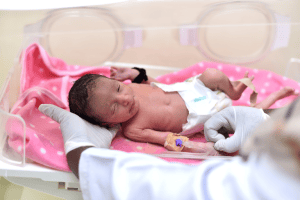
- Newborn care in Kassala: At Kassala Saudi Hospital, a baby born in August 2026 needed care under a warmer after his body temperature dropped. With close monitoring, he recovered, bringing relief to his mother.
- Heat relief in Port Sudan: With UNICEF, SAPA set up three cooling rooms in Port Sudan’s main market, industrial area and truck area. They offer cooling and first aid to outdoor workers. They are the first of their kind in Red Sea State.
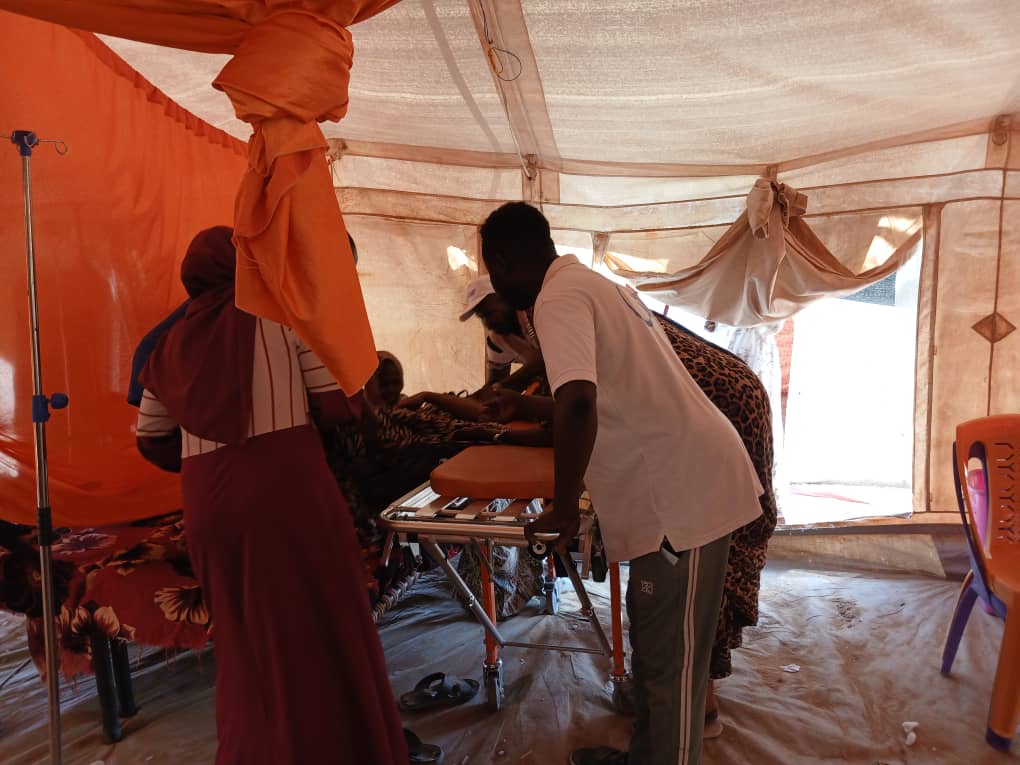
- Emergency response in Al-Affad camp: In September 2026, a fire destroyed 89 tents in the camp in Northern State. SAPA’s clinic team gave first aid and psychological support, with special attention to children.
- Mental health care for refugees: In August 2026, a free clinic opened in Kisaasi, Uganda. It gives Sudanese refugees assessment, counselling and treatment.
>> Donate Today to Help Sustain Essential Maternal Care in Sudan.
Add image:
FAQs
1. What is ECHO, and how does it support health care in Sudan?
ECHO is the European Union’s Directorate-General for European Civil Protection and Humanitarian Aid Operations. It funds humanitarian partners to deliver aid in crises. At Jebel Awlia, ECHO-supported activities helped SAPA and WHO Sudan restore surgical delivery services.
2. What did SAPA do at Jebel Awlia Teaching Hospital?
SAPA worked with WHO Sudan to rehabilitate the operating theatre, maintain existing medical equipment and provide essential devices.
3. When did Jebel Awlia Teaching Hospital resume caesarean deliveries?
The hospital performed its first caesarean since the outbreak of the war in August 2026. It had been unable to offer the procedure for the duration of the conflict.
4. How many babies are born in Khartoum’s hospitals each month?
According to recent reporting, Khartoum’s hospitals now record about 7,000 deliveries a month. That demand makes every working operating theatre essential.
5. Is funding for women’s health in Sudan enough?
No. UNFPA’s 2026 appeal for Sudan was about 33% funded. That leaves an $86 million shortfall for reproductive health and protection services.
6. What other health programs does SAPA run in Sudan?
SAPA provides emergency healthcare services, clean water programs and a hunger relief program. It also runs newborn care, heat-relief cooling rooms and mental health support for refugees.
7. How can I help mothers in Sudan give birth safely?
You can donate to SAPA’s work restoring hospitals, equipment and essential care. Give today to help save a life in Sudan.