How Can I Effectively Donate to Charities Supporting Sudan?
 Mahnoor
Effective giving means choosing organizations with transparent reporting, an established presence in Sudan, and programs covering healthcare, food, and clean water, since integrated support often creates better outcomes than a single narrow intervention. NGOs like SAPA are a good example of what to look for.
Sudan is experiencing one of the largest humanitarian crises in the world, with millions of families struggling to meet their basic needs. Ongoing conflict has displaced entire communities, damaged hospitals, interrupted education, and made access to clean water and nutritious food increasingly difficult. For many families, everyday essentials have become difficult to obtain, making humanitarian assistance critical for survival.
According to UNICEF, 33.7 million people require humanitarian assistance, including 17.3 million children. Children remain among the most vulnerable, facing increased risks of malnutrition, disease, displacement, and interrupted education. Recent humanitarian reports also indicate that violence continues to affect civilians, making international support as important as ever.
Some of the most urgent humanitarian needs include:
- Emergency healthcare and medical supplies
- Food assistance and nutrition programs
- Safe drinking water and sanitation services
- Protection for displaced families
>> Related Post: How Can I Help or Get Involved with Supporting Refugees from Sudan?
What Makes a Charity Effective?
If you’re asking how to effectively donate to charities supporting Sudan, choosing the right organization is just as important as deciding to donate. An effective charity does more than collect donations. It ensures those contributions are used responsibly, transparently, and where they are needed most.
Before donating, take time to learn how an organization operates. Reputable humanitarian charities are typically transparent about their finances, publish regular updates from the field, and clearly explain how donations support their programs. This transparency helps donors understand the real-world impact of their contributions.
Experience is another important factor. Organizations that have worked in Sudan for years often have established relationships with local healthcare providers, community leaders, and volunteers. These partnerships allow aid to reach affected communities more efficiently, even in challenging environments.
When evaluating a charity, look for organizations that demonstrate:
- Transparent financial reporting and impact updates
- Established operations and partnerships
- Multiple humanitarian programs that address urgent community needs
- High ratings from credible charity evaluator sites like Charity Navigator and others.
>> Related Post: What Organizations are Involved in Supporting Refugees in Sudan?
Where Your Donation Can Make the Biggest Difference:
Many people assume that every humanitarian donation is used in the same way, but different programs address different needs. Understanding where your contribution goes can help you make a more informed decision and support the area that matters most to you.
Whether your priority is saving lives through emergency healthcare or helping families access food and clean water, every contribution plays an important role in Sudan’s humanitarian response.
1. Emergency Healthcare
Healthcare remains one of Sudan’s most urgent humanitarian priorities. Many hospitals and clinics have been damaged, while others continue operating with severe shortages of medicines, medical equipment, and trained personnel. As a result, families often struggle to access even the most basic healthcare services.
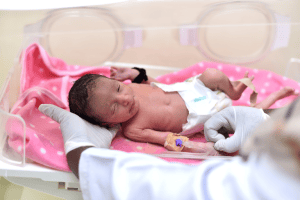
Donations help humanitarian organizations keep healthcare services running by supporting emergency treatment, mobile medical teams, maternal and child healthcare, vaccinations, disease prevention, and the delivery of essential medicines. These services not only save lives during emergencies but also help prevent disease outbreaks that can spread rapidly among displaced communities.
2. Hunger Relief
Food insecurity continues to affect millions of people across Sudan. Conflict has disrupted farming, supply chains, and local markets, making it increasingly difficult for families to access nutritious food. Children and pregnant women are particularly vulnerable to malnutrition during prolonged crises.
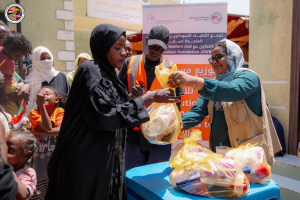
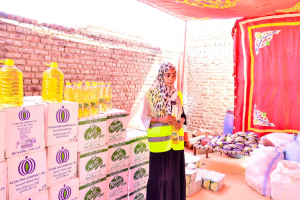
Humanitarian organizations work to address these challenges by providing emergency food assistance, nutrition support for children, therapeutic feeding programs, and community kitchens that serve displaced families. These interventions help prevent severe hunger while supporting communities through ongoing emergencies.
3. Clean Water and Hygiene (WASH)
Access to safe drinking water is essential during humanitarian emergencies. When water systems are damaged or unavailable, communities are forced to rely on unsafe water sources, increasing the risk of waterborne diseases such as cholera and acute diarrheal illnesses.
Humanitarian organizations improve access to clean water by drilling boreholes, repairing water systems, chlorinating water supplies, distributing hygiene kits, and promoting healthy sanitation practices. These interventions not only provide immediate relief but also strengthen community resilience by reducing the spread of preventable diseases.
>> Related Post: Which Organizations are Providing Medical Aid/Healthcare in Sudan?
Other Ways You Can Support Sudan Beyond Financial Donations
While monetary donations remain one of the fastest ways to support humanitarian efforts, there are many other meaningful ways to help the people of Sudan. Sharing verified information about the humanitarian crisis helps raise awareness among friends, family, and your wider community. Many people simply aren’t aware of the scale of the emergency or the organizations actively responding on the ground.
You can also consider organizing a workplace or community fundraiser, encouraging your employer to match charitable donations, or making regular monthly contributions. Consistent giving allows humanitarian organizations to plan, maintain essential services, and respond more effectively when emergencies escalate.
How to Ensure Your Donation Has the Greatest Impact
Donating is only the first step. Donating thoughtfully can significantly increase the long-term impact of your contribution.
It is recommended to support organizations with established local operations, transparent financial reporting, and clearly defined programs. It’s also beneficial to consider unrestricted donations where appropriate, as they allow humanitarian organizations to allocate resources to the areas of greatest need as situations evolve.
Monthly donations are particularly valuable because they provide reliable funding that helps charities maintain ongoing healthcare services, emergency food distribution, clean water projects, and medical supply chains even when media attention declines.
Before donating, consider whether the organization:
- Provides regular updates on humanitarian programs.
- Has an established presence in Sudan.
- Demonstrates financial transparency and accountability.
- Delivers measurable humanitarian outcomes.
Why Thousands of Donors Choose SAPA to Give to Sudan?
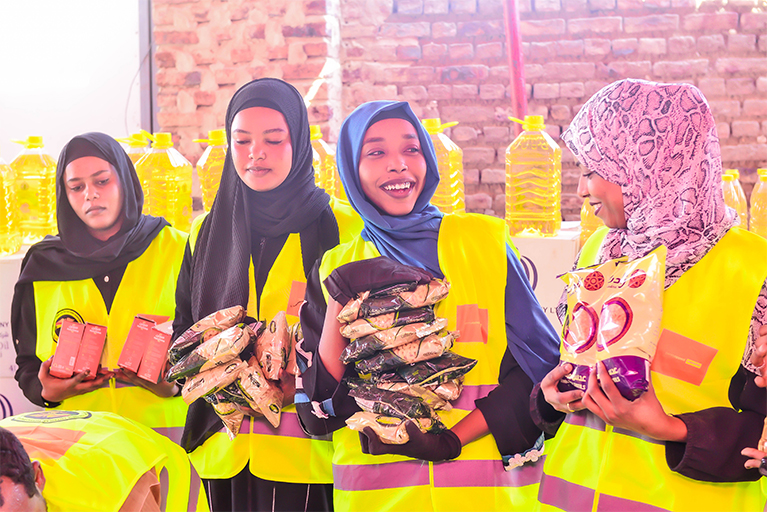
SAPA is a U.S.-based nonprofit organization dedicated to improving healthcare and humanitarian outcomes for vulnerable communities in Sudan. Since its founding, SAPA has worked alongside local healthcare professionals, volunteers, and partner organizations to deliver lifesaving assistance where it is needed most. Rather than focusing on a single area of relief, SAPA addresses multiple humanitarian challenges through an integrated approach that supports emergency healthcare, hunger relief, nutrition, clean water, sanitation, and community resilience.
As Sudan continues to face one of the world’s largest humanitarian crises, SAPA’s programs are designed to respond to both immediate emergencies and long-term recovery needs. Donations help provide emergency medical care, support healthcare facilities with essential medicines and equipment, improve access to nutritious food for vulnerable families, and expand clean water and hygiene initiatives that reduce the risk of preventable diseases.
What makes SAPA’s approach particularly effective is that its humanitarian programs work together. A child receiving medical treatment may also benefit from improved nutrition and access to safe drinking water, creating better health outcomes than addressing a single need in isolation. This holistic model allows donors to support comprehensive humanitarian assistance through one trusted organization.
FAQs
1. How can I effectively donate to charities supporting Sudan?
Choose organizations that have an established presence in Sudan, transparent financial reporting, and active humanitarian programs. Look for charities that regularly publish impact reports and explain how donations are used. Recent UN reports continue to emphasize the importance of sustained humanitarian funding for Sudan.
2. What is the best way to help people in Sudan?
Financial donations to reputable humanitarian organizations are often the most effective form of support because they allow aid agencies to purchase supplies locally, respond quickly to changing needs, and deliver assistance where it’s needed most.
3. How do I know if a charity supporting Sudan is trustworthy?
Research the organization’s mission, financial transparency, annual reports, and humanitarian experience. Trusted charities openly communicate their programs, partnerships, and measurable impact.
4. What humanitarian needs are most urgent in Sudan?
Sudan continues to face urgent needs including emergency healthcare, food assistance, nutrition support, clean water, sanitation services, and protection for displaced families. Humanitarian priorities continue to evolve as the crisis develops.
5. Is it better to make a one-time or monthly donation?
Both are valuable, but recurring monthly donations provide humanitarian organizations with predictable funding that helps maintain ongoing healthcare services, food assistance, and emergency response programs.
6. Can small donations really make a difference?
Absolutely. When combined with thousands of other contributions, even modest donations help fund medicines, clean water initiatives, nutrition programs, and emergency relief efforts that benefit vulnerable communities.
7. Does SAPA work directly in Sudan?
Yes. SAPA supports humanitarian and healthcare programs in Sudan and experienced medical teams, helping deliver emergency healthcare, hunger relief, nutrition, and WASH initiatives.
8. What programs does SAPA support?
SAPA supports several humanitarian initiatives, including emergency healthcare services, hunger relief, nutrition programs, and clean water and sanitation (WASH) projects that improve community health and resilience.